Diphtheria, Tetanus, Pertussis and Polio Short Course (dTaP/IPV and Tdap) – Elearning

Our Diphtheria, Tetanus, Pertussis and Polio (dTaP/IPV & Tdap) Short Course is part of the Health Academy Short Course series and gives clinicians the essential immunisation knowledge needed to safely and confidently deliver tetanus, diphtheria, pertussis and polio-containing vaccines in the UK. This focused e-learning programme covers each disease, eligibility criteria, vaccine indications, administration considerations, and current UK guidance, making it ideal for clinicians involved in childhood and pregnancy immunisations.

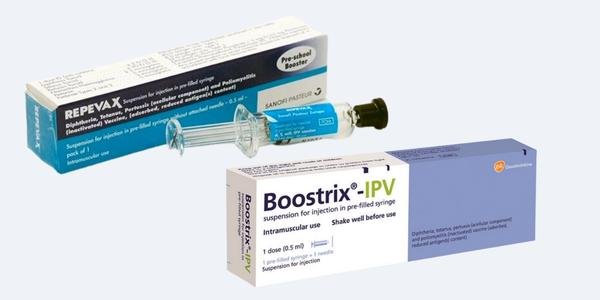
image showing Repevax and Boostrix-IPV Short Course (DTaP/IPV) product.

What You'll Learn

  • Understand the diseases covered by dTaP/IPV and Tdap vaccines, including transmission, clinical features, complications, and public health impact.
  • Recognise UKHSA-aligned eligibility criteria and vaccination schedules for pregnancy and childhood immunisation.
  • Apply national guidance on vaccine administration, contraindications, co-administration, and patient communication to support safe, confident practice.

This course includes

Videos

Case Studies

Quizzes & Assessments

Course Content

  • Overview of course structure and learning objectives
  • Organism overview
  • Transmission and carriage
  • Epidemiology and high-risk groups
  • Clinical presentation
  • Complications and long-term impacts
  • Public health importance and prevention
  • Current UK recommendations and vaccination schedules
  • Pregnancy immunisation and timing
  • Eligibility groups, catch-up situations, and high-risk individuals
  • Dosing intervals and co-administration
  • Contraindications and precautions
  • Administration technique, storage, and handling
  • Expected adverse reactions and how to advise patients
  • Managing post-vaccination concerns
  • Links to UKHSA guidance
  • The Green Book
  • National immunisation updates
  • Multiple-choice assessment to consolidate learning and confirm competence

FAQs

 Yes, you will receive a certificate on successful completion of the course.

 Assessment is completed through integrated quizzes and a final online assessment.

This course follows UKHSA and national immunisation guidance. To deliver these vaccines, clinicians must have completed a foundation immunisation training course, undertake supervised practice in their workplace, and should only administer vaccines independently when both they and their employer are confident in their competence.

Leave Us A Review

Description

This is part of the ‘Health Academy Short Course’ series and provides clinicians with specific information related to the dTaP/IPV and Tdap vaccines:

  • Boostrix-IPV
  • Repevax
  • ADACEL


This course is suitable for all Registered Healthcare Professionals, including Nurses, Pharmacists and GPs that administer this vaccine in practice.

This ‘Short Course’ will take approximately 1 hour to complete.


The course will cover key details of the vaccines and the diseases that it protects against.

Boostrix-IPV & Repevax are vaccines used as a booster dose in children from 3 years onwards,

to prevent four diseases: diphtheria, tetanus (lockjaw), pertussis (whooping cough) and

poliomyelitis (polio). ADACEL is a vaccine used as part of the prenatal pertussis programme.

The vaccine works by causing the body to produce its own protection

(antibodies) against these diseases.

  • Diphtheria: Diphtheria mainly affects the airways and sometimes the skin. Generally the

    airways become inflamed (swollen) causing severe breathing difficulties and sometimes

    suffocation. The bacteria also release a toxin (poison), which can cause nerve damage, heart

    problems, and even death.


  • Tetanus (Lockjaw): Tetanus bacteria enter the body through cuts, scratches or wounds in the

    skin. Wounds that are especially prone to infection are burns, fractures, deep wounds or wounds

    contaminated with soil, dust, horse manure/dung or wood splinters. The bacteria release a toxin

    (poison), which can cause muscle stiffness, painful muscle spasms, fits and even death. The

    muscle spasms can be strong enough to cause bone fractures of the spine.


  • Pertussis (Whooping cough): Pertussis is a highly infectious illness. The disease affects the

    airways causing severe spells of coughing that may interfere with normal breathing. The

    coughing is often accompanied by a “whooping” sound, hence the common name “whooping

    cough”. The cough may last for 1-2 months or longer. Pertussis can also cause ear infections,

    bronchitis which may last a long time, pneumonia, fits, brain damage and even death.


  • Poliomyelitis (Polio): Poliomyelitis, sometimes called simply “polio” is a viral infection that

    can have variable effects. Often it causes only a mild illness but in some people it causes

    permanent damage or even death. In its severest form, polio infection causes paralysis of the

    muscles (muscles cannot move), including those muscles needed for breathing and walking. The

    limbs affected by the disease may be painfully deformed.

Group booking - click for discounted rates

Reviews

There are no reviews yet.

Be the first to review “Diphtheria, Tetanus, Pertussis and Polio Short Course (dTaP/IPV and Tdap) – Elearning”
E-learning

Professional Certificate

Build practical, up-to-date knowledge of dTaP/IPV and Tdap vaccination—covering childhood and pregnancy immunisation—in line with current UK recommendations.

E-learning self-paced course

£22.80

0.9

CPD Hours

Register Your Interest