Home / Free Resourses Area / The HealthEd Blog
The HealthEd Blog
Great Blog Content
The No. 1 Blog for Primary Healthcare Professionals
Giving you written and video content to answer all your questions on primary care education from Phlebotomy to Travel Health. Search through our list of posts and let us know if you have a question or even wish to answer one.
Blog Posts
Stay Up to Date in Health Education
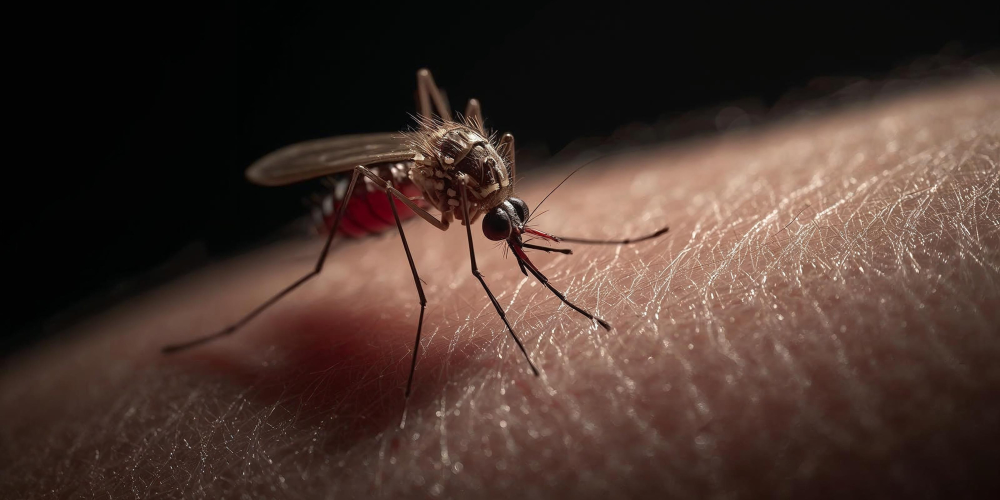
Why Travellers Underestimate Rabies Risk
Rabies is one of the most serious infections in travel health medicine, yet surprisingly one of the most neglected. For UK travellers heading abroad, the risk is often dismissed as unnecessary or something that “only happens to other people.” But rabies is almost...
Supporting Pupils with Health Conditions and Medication Needs
Part of our Safeguarding and Child Health: Essentials for Every Setting series Why This Matters: Inclusive Support for All Learners Imagine this: A pupil with asthma forgets their inhaler on sports day — would your school know how to support pupils with health...
Understanding the 4T’s of Meningococcal
Meningococcal disease remains relatively uncommon, but recent increases highlight the need for continued vigilance. In 2024–25, the UK Health Security Agency (UKHSA) recorded 378 cases of Invasive Meningococcal Disease (IMD), up from 340 the previous year. MenB was...
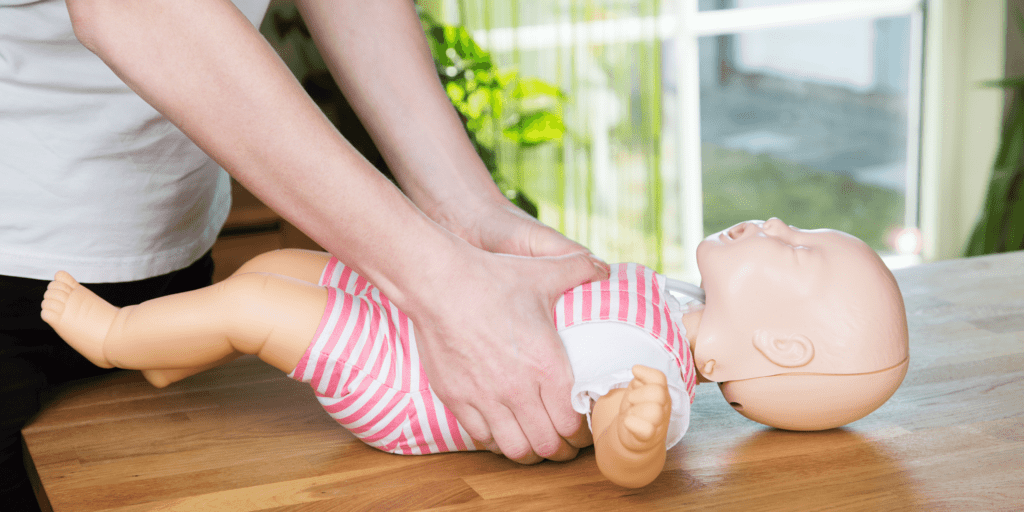
The 2025 Resus Council Guidelines Update – What Has Changed and Why?
As healthcare professionals, most of us have heard of the ‘Resus Council’ and their regular updates, but who they are and what that means for us in practice is not always clear. This blog will explore who the Resus Council are, what the new 2025 changes include, why...
Menopause in Primary Care: A Moment for Change
Menopause is one of the most common, yet often most underestimated factors shaping women’s health in primary care. Around 13 million women in the UK are currently perimenopausal or menopausal, roughly one-third of the female population, yet many still struggle to...
School Trip Safeguarding: Keeping Children Safe with Policies & Best Practice
School trips are exciting and valuable learning experiences — but they also introduce unique school trip safeguarding risks. From local outings to overseas residentials, schools have a duty to keep every child safe, supported, and supervised throughout. This blog...
International Infection Prevention and Control Week
This October we mark International Infection Prevention and Control Week, which runs from 19 to 25 October 2025. It is a simple reminder that the small things we do every day protect patients, colleagues and families. Over the past few years we have all seen how...
A Day in The Life of a Travel Health Nurse
When people hear that I am a travel health nurse, they often imagine me travelling to every country in the world administering vaccinations, while lounging on a beach, catching a tan. However, my work is much more dynamic and varied than that and I am certainly not...
Understanding the 4T’s of Rubella
Vaccination has dramatically reduced cases of rubella across the UK and worldwide, but maintaining high levels of immunity remains essential. While rubella most often causes mild illness, infection during pregnancy can have devastating effects on the developing baby,...
Weight Loss Injections – Where Are We Now?
It’s hard to ignore the growing interest in weight loss injections. Over the past year, they’ve moved from specialist clinics into everyday conversations at the pharmacy counter, GP surgery, and in private practices. Patients hear about them on morning television, see...
Designated Safeguarding Lead: Leading a Culture of Safety
Every setting that works with children needs someone at the helm of safeguarding — someone who leads with confidence, clarity, and care. That’s where the Designated Safeguarding Lead (DSL) steps in. From schools to clinics, DSLs are the people staff turn to when...
Understanding the 4T’s of Mumps
Vaccination has made huge strides in reducing once-common infections, but some diseases still find opportunities to resurface. Mumps is one of them, with clusters continuing to appear in the UK, particularly among teenagers and students where MMR uptake is incomplete....
Get These Great Posts Straight To Your Inbox!
Would you like to write for the HealthEd Blog?
We are looking for talented primary care professionals who are passionate about healthcare and education to contribute to our blog.
If you are interested please leave your name and email address and let us know your areas of interest and expertise.