
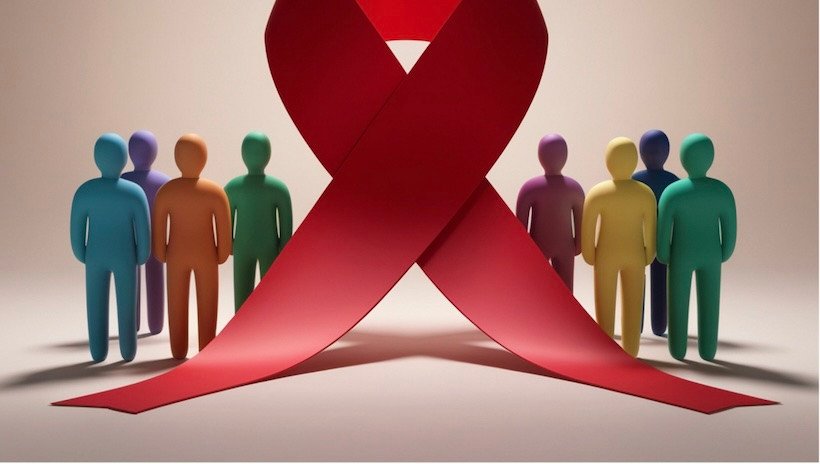
In December 2025, the UK Government published the HIV Action Plan for England 2025–2030, allocating £170 million toward the elimination of new HIV transmissions by 2030. The strategy builds on decades of clinical progress and positions England among global leaders pursuing HIV elimination.
Importantly, this ambition is becoming achievable due to advances in:
However, although antiretroviral therapy has transformed life expectancy and quality of life for people living with HIV, stigma still undermines testing, prevention uptake and retention in care. Consequently, medication alone cannot end HIV transmission.
This blog explores how policy, prevention tools, professional ethics and healthcare culture combine in the pursuit of elimination. It examines:
Drawing on national survey data and professional standards, the Government’s plan argues that stigma-free healthcare is a critical determinant of public health success. Ending HIV transmission requires integrating prevention science with professional accountability, workforce education and patient-centred practice.

So, what is HIV?
HIV stands for Human Immunodeficiency Virus. It weakens the immune system by attacking CD4 cells, which play a central role in coordinating the body’s defence against infections. If HIV is left untreated and CD4 cells suffer significant damage, the immune system becomes severely compromised. Consequently, the body struggles to fight infections and the risk of developing acquired immune deficiency syndrome (AIDS) increases.
However, today’s effective treatment now suppresses HIV viral replication and therefore prevents immune damage. Most people diagnosed early and placed on antiretroviral therapy achieve near-normal life expectancy.
Consequently, the existence of effective treatment reframes HIV as a preventable and chronic condition. However, transmission persists primarily due to undiagnosed infection, delayed testing and barriers to engagement within the healthcare system. Therefore, the HIV Action Plan for England 2025–2030 acknowledges that elimination is a systemic problem rather than a scientific one.

The UK already has one of the most advanced HIV prevention toolkits in the world.
The HIV Action Plan for England 2025–2030 strategy focuses on expanding access and awareness even further. Therefore, before exploring the policy framework, it is important to understand the prevention tools already available.

Pre-Exposure Prophylaxis (PrEP) is medication taken by HIV-negative individuals to prevent acquiring HIV before exposure. When used correctly, PrEP is therefore around 99% effective in preventing sexual transmission.
The landmark UK PROUD study demonstrated an 86% reduction in new infections among people at high HIV exposure risk.
Importantly, PrEP represents proactive healthcare. Instead of waiting for infection, individuals can protect themselves in advance. However, the success of PrEP ultimately depends not only on availability but also on conversation. Healthcare professionals play a vital role in discussing prevention openly and without judgement.
For further guidance, readers can consult:
NHS PrEP Information:
https://www.nhs.uk/medicines/pre-exposure-prophylaxis-prep/
BHIVA Clinical Guidance:
https://bhiva.org/clinical-guidelines
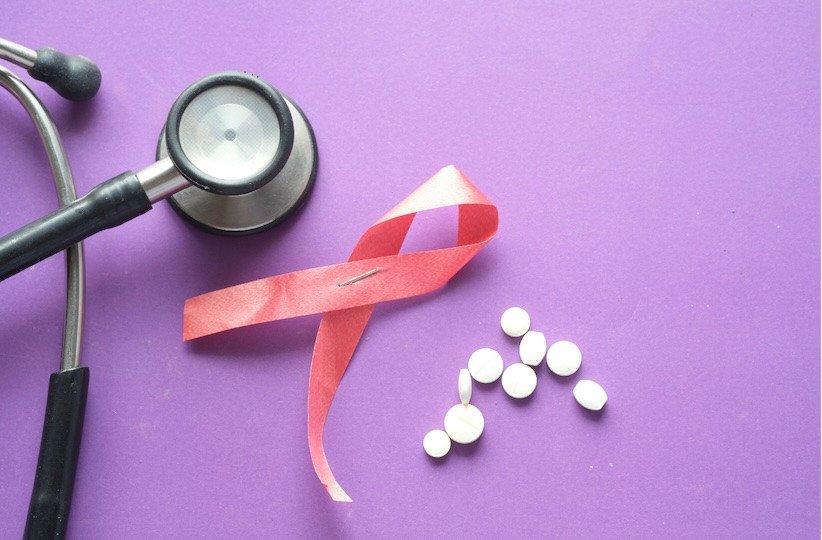
PEP is a short course of HIV medication taken within 72 hours after possible exposure. It acts as an emergency safety net. Importantly, evidence suggests PEP reduces infection risk by around 80% when started quickly and taken correctly.
The key message for healthcare professionals is urgency. Delay reduces effectiveness. Patients must feel safe seeking help immediately and without fear of stigma. For this reason, emergency access to PEP is both a clinical and ethical responsibility.
Terrence Higgins Trust provides clear public guidance on how to access PEP:
https://tht.org.uk/hiv/protection/pep-post-exposure-prophylaxis-hiv

One of the Most Powerful Developments in HIV Medicine
One of the most powerful developments in HIV medicine is Treatment as Prevention. As a result, when a person living with HIV takes effective antiretroviral medication and maintains an undetectable viral load, they cannot transmit HIV. This means the virus is suppressed to such low levels that it cannot be detected by standard medical tests.
This principle is summarised as U=U (Undetectable = Untransmittable) and is formally endorsed by the British HIV Association.

Undetectable equals Untransmittable U=U HIV prevention
People living with HIV who maintain an undetectable viral load cannot pass on the virus.
Communicating this message builds trust with patients. Importantly, when healthcare professionals confidently use the term undetectable, patients feel reassured that they are receiving informed and respectful care.
Even recording “Undetectable (U=U)” in patient notes can reinforce consistent understanding across multidisciplinary teams. In this way, language becomes part of compassionate practice.
However, U=U is more than science. More importantly, it represents restored dignity for many individuals who have experienced fear or stigma following diagnosis. Achieving an undetectable viral load marks resilience, engagement with care and survival. Patients arriving healthy and undetectable are living evidence that modern HIV treatment works.
Healthcare professionals should recognise that this achievement matters.
U=U removes fear from intimate relationships, reduces stigma and transforms treatment into prevention. High treatment coverage supports both individual wellbeing and community-level public health progress. Therefore, understanding U=U allows clinicians to meet patients with respect rather than judgement.
For more information on U=U, you can find in the link below:
BHIVA statement:
https://bhiva.org/BHIVA-encourages-universal-promotion-of-U-U/

Routine opt-out HIV testing in Accident and Emergency departments has expanded nationally and is central to the HIV Action Plan for England 2025–2030. Embedding testing into standard care removes the idea that HIV screening is unusual or shameful.
Under this approach, HIV tests are offered routinely when blood is taken unless the patient declines. As a result, thousands of previously undiagnosed infections have been identified and individuals have been linked to care earlier.
Digital home testing adds privacy and convenience. Patients can choose clinic-based testing or perform tests confidently in their own environment. Flexibility improves engagement across diverse communities.
For example, local services such as The Hathersage Centre in Manchester and 56 Dean Street in London demonstrate how integrated clinics combine testing, PrEP, PEP and long-term care in one supportive setting.

Reducing HIV stigma in healthcare is not only good practice, it is a professional obligation grounded in UK regulatory standards.
The UK’s healthcare regulators are explicit that care must be delivered without discrimination, with dignity and respect for every individual.
For people living with HIV, stigma, judgement or unequal treatment is not only unprofessional, it can represent a breach of professional codes of conduct.
Fear of judgement causes patients to delay testing, withhold information or disengage from treatment. Consequently, respectful care is directly linked to public health outcomes.

The Nursing and Midwifery Council (NMC) Code requires nurses, midwives and nursing associates to:
The Code is clear that personal beliefs must never affect patient care. Importantly, this principle is particularly relevant in HIV care, where stigma may arise from misconceptions about sexuality, drug use or moral judgement. The NMC expects professionals to actively maintain open, respectful communication and to advocate for patients who experience discrimination.
In practical terms, this means healthcare professionals should:
As a result, for people living with HIV, adherence to the NMC Code translates directly into safer, more trusting clinical environments, which in turn supports earlier testing, better treatment adherence and long-term patient engagement in healthcare.
The General Medical Council sets equivalent expectations for doctors. Good Medical Practice requires clinicians to:
In this context, the GMC emphasises that discrimination, whether conscious or unconscious, damages patient safety and public confidence in healthcare. In the context of HIV, this includes avoiding assumptions about risk, sexuality or lifestyle and ensuring that HIV status does not influence clinical decisions unless medically relevant.
Importantly, the GMC frames respectful communication as a safety issue. When patients fear judgement, they may withhold information, delay testing or disengage from treatment. Consequently, these outcomes can conflict with the UK Government’s HIV Action Plan for England 2025–2030 prevention goals.

Professional regulation is reinforced by legal and organisational frameworks:
Together, these frameworks establish that stigma-free care is not optional or aspirational, it is embedded in law, ethics and professional identity.

Professional codes transform stigma reduction from a “soft” cultural issue into a measurable standard. They:
Importantly, when healthcare professionals internalise these standards, stigma reduction becomes routine practice rather than a special initiative. As a result, patients experience safer environments and greater trust in healthcare systems.

Ending new HIV transmissions by 2030 will not be achieved through medicines alone. Crucially, the UK Government’s HIV Action Plan 2025–2030 recognises that stigma and discrimination across the HIV pathway, including within healthcare, remain barriers to testing, prevention and long-term engagement in care.
This matters because stigma is not just ‘hurt feelings’, in fact, it drives avoidance of healthcare services, increases late diagnoses and worsens mental health outcomes, all of which directly undermine the prevention goals of the UK Government’s HIV Action Plan 2025–2030.

Healthcare professionals influence how safe patients feel, sometimes in seconds. Importantly, language can either reinforce outdated fears or reflect modern clinical reality. In contemporary HIV care, the most respectful and clinically accurate approach is person-first terminology:
Avoid:
This terminology is not political correctness. Instead, it is therefore effective clinical communication that improves rapport and supports engagement.
The evidence below shows why using effective clinical communication matters:
England’s Positive Voices 2022 (the largest UK survey of people living with diagnosed HIV) found:
Therefore, these figures represent real people delaying or avoiding care, often because they expect judgement, breaches of confidentiality or differential treatment.

An important stigma reduction strategy is accurate education. Understanding U=U (Undetectable = Untransmittable) reduces fear and misinformation.
The HIV Action Plan for England 2025–2030 highlights that stigma decreases when healthcare workers have stronger HIV knowledge.
Similarly, European data shows persistent knowledge gaps around PrEP, PEP and U=U.
Furthermore, this is also reflected in wider European healthcare data, which in 2024 shows an ECDC/EACS report summary that found substantial knowledge gaps among healthcare workers
Nevertheless, while this is not UK-based, it is directly relevant to UK services because the Government’s HIV Action Plan 2025–2030 explicitly links staff knowledge to stigma reduction and better outcomes.
For patients, consistent U=U messaging improves wellbeing and engagement. Positive Voices found:
Taken together, these statistics show that education therefore functions as both prevention and psychological support.

Let’s take a look at some examples of how discrimination can be obvious (refusal of care) or subtle in the healthcare setting:
Community surveys illustrate the scale of the issue. Notably, the Terrence Higgins Trust World AIDS Day survey (2022) reported that 59% of respondents had experienced discrimination while accessing healthcare.
Community surveys confirm that healthcare remains a setting where stigma is experienced.
Consequently, healthcare is also where intervention is most powerful.

Furthermore, the Government’s HIV Action Plan 2025–2030 includes a commitment to commission anti-stigma programmes, including rollout programmes across trusts participating in opt-out accident and emergency department testing.
However, stigma reduction does not need to wait for national programmes. Instead, there are immediate, practical actions that clinicians and organisations can take:
Stigma spreads socially within workplaces. Therefore, modelling respectful behaviour influences entire teams.

Common stigma experiences come from fear of disclosure. Patients may worry that their HIV status is discussed at the nurses’ stations, recorded in their notes inappropriately or shared beyond clinical necessity.
Healthcare staff can strengthen culture through:
Education is strongly associated with reduced stigma. For example, large NHS initiatives demonstrate that culture change is achievable when leadership supports training and accountability.
Recommended training approaches include:
Accordingly, structured frameworks such as HIV Confident and national training programmes align directly with the goals of the HIV Action Plan for England 2025–2030.

Importantly, Stigma is Reinforced When Staff Take Visibly Different Precautions
In modern care, HIV does not require special precautions beyond standard infection prevention procedures. Importantly, stigma is reinforced when staff take visibly different measures (such as double gloving, moving the patient to the end of the theatre operating list so the operating room can be cleaned down, or distancing themselves from the patient).
Consequently, if you place yourself in your patient’s shoes, can you imagine going through these experiences as a person living with HIV when the healthcare sector should be the place you feel safest?
Using standard precautions consistently for everyone protects staff and patients without excluding people living with HIV.

Therefore, healthcare clinicians can reduce stigma by confidently and routinely staying up to date with medically proven information surrounding HIV, such as:
Where appropriate, staff can signpost access routes (sexual health services, PrEP pathways, urgent PEP access and HIV clinics). Normalising these conversations reduces shame and increases prevention uptake.

Healthcare organisations can formalise stigma reduction through:
Education is strongly associated with reduced HIV stigma. A great example is emerging in Manchester as the Manchester University NHS Foundation Trust has been recognised as an HIV Confident organisation and reports that over 26,000 staff have completed HIV-related stigma training over 12 months, developed in partnership with George House Trust and Dibby Theatre.
Taken together, this shows that large-scale culture change is possible when training is mandatory, co-produced and supported by leadership.
Recommended approaches to training and education include:

There are credible, accessible training pathways for NHS and for wider UK healthcare staff. For example:
The UK Government’s HIV 2025-2030 Action Plan aligns with these professional frameworks by positioning compassionate, inclusive care as crucial to ending HIV transmissions.
Consequently, patients are more likely to test, disclose their condition, adhere to treatment and remain engaged when they experience healthcare environments that reflect the dignity promised in the regulatory codes that we, as healthcare professionals, train under and should follow at all times when delivering care, regardless of experience.
Therefore, ending HIV transmissions by 2030 depends not only on PrEP, PEP, testing and treatment, but also on healthcare professionals consistently practising the ethical standards already written into their codes.
Healthcare professionals can reduce stigma through:
These actions normalise respectful care and strengthen patient engagement.

Overall, the UK Government’s HIV 2025–2030 Action Plan demonstrates that PrEP, PEP, TaSP and routine testing are all necessary; however, stigma must also be addressed.
Ultimately, ending HIV transmissions depends on trust. When patients feel respected, they test earlier, remain in care and achieve viral suppression through effective antiretroviral treatment. Therefore, stigma reduction is a vital aspect of the prevention strategy, as discussed throughout this blog.
Furthermore, England already possesses the clinical tools to end HIV transmissions. Professional accountability, education and compassionate care are just as essential as medication.
Accordingly, the UK Government’s HIV 2025–2030 Action Plan is not solely a public health strategy but a blueprint for ethical healthcare transformation. If implemented fully, it positions England to achieve one of the most significant public health milestones of the 21st century.