
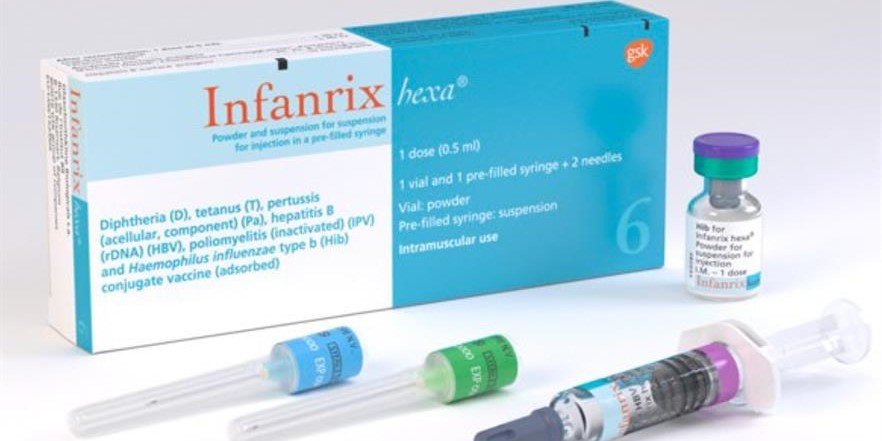
This is part of the ‘Health Academy Short Course’ series and provides clinicians with specific information related to the Infanrix Hexa and Vaxelis (6 in 1) vaccines. Additionally, understanding the Infanrix Hexa vaccine is essential for healthcare professionals. To clarify, this course places particular emphasis on the Infanrix Hexa vaccine.
This course is suitable for all Registered Healthcare Professionals, including Nurses, Pharmacists and GPs that administer this vaccine in practice. In particular, those who deliver the vaccine known as Infanrix Hexa will benefit. For practitioners, giving the Infanrix Hexa vaccine is a routine responsibility.
This ‘Short Course’ will take approximately 1.5 hours to complete. Courses about the Infanrix Hexa vaccine usually require a similar time commitment.
The course will cover key details of the vaccine and the diseases that it protects against. Among these details, the course will highlight the vaccine Infanrix Hexa as a pivotal part of disease prevention, and includes an overview of the Infanrix Hexa vaccine itself.
Infanrix Hexa and Vaxelis are vaccines used to protect against six diseases:
• Diphtheria: a serious bacterial infection that mainly affects the airways and sometimes the skin.
The airways become swollen causing serious breathing problems and sometimes suffocation. The
bacteria also release a poison. This can cause nerve damage, heart problems, and even death.
• Tetanus: tetanus bacteria enter the body through cuts, scratches or wounds in the skin. Wounds that
are more likely to get tetanus infection are burns, fractures, deep wounds or wounds that have soil,
dust, horse manure or wood splinters in them. The bacteria release a poison. This can cause muscle
stiffness, painful muscle spasms, fits and even death. The muscle spasms can be strong enough to
cause bone fractures of the spine.
• Whooping cough (Pertussis): a highly infectious illness that affects the airways. It causes severe
coughing that may lead to problems with breathing. The coughing often has a “whooping” sound. In treating whooping cough, the Infanrix Hexa vaccine is often administered as part of immunisation.
The cough may last for one to two months or longer. Whooping cough can also cause ear infections,
chest infections (bronchitis) which may last a long time, lung infections (pneumonia), fits, brain
damage and even death.
• Hepatitis B: is caused by the hepatitis B virus. It makes the liver swollen. The virus is found in
body fluids such as in the vagina, blood, semen or spit (saliva) of infected people. Importantly, hepatitis B is one of the diseases against which the Infanrix Hexa vaccine is used to protect.
• Polio: a viral infection. Polio is often only a mild illness. However, sometimes it can be very serious
and cause permanent damage or even death. Polio can make the muscles unable to move (paralysis). Of note, the Infanrix Hexa vaccine is used as part of prevention efforts against polio.
This includes the muscles needed for breathing and walking. The arms or legs affected by the
disease may be painfully twisted (deformed).
• Haemophilus influenzae type b (Hib): can cause brain swelling (inflammation). This can lead to
serious problems such as mental slowness (retardation), cerebral palsy, deafness, epilepsy or partial
blindness. It can also cause swelling of the throat. This can cause death by suffocation. Less
commonly, the bacteria can also infect the blood, heart, lungs, bones, joints, and tissues of the eyes
and mouth. In summary, the Infanrix Hexa vaccine helps to protect against several severe diseases listed in this course.

You must be logged in to post a review.



Reviews
There are no reviews yet.