
Pride Month offers an important opportunity for travel health practitioners to reflect on how well current travel health services meet the needs of lesbian, gay, bisexual, transgender, queer and other LGBTQ+ travellers. International travel among LGBTQ+ communities continues to grow and represents a broad spectrum of identities, ages, family structures and travel motivations.
Many LGBTQ+ people travel as families, including same‑sex parents with children, blended families, or multigenerational groups. Others travel as couples, whether for holidays, honeymoons or anniversaries. Older adults may travel for leisure or cultural exploration, younger travellers may seek adventure, nightlife or community events and solo travellers may explore new destinations, reconnect with communities or simply enjoy the freedom of travelling independently.
Inclusive practice begins with recognising that LGBTQ+ travellers are as varied as any other group, and that their health needs depend on their itinerary, any underlying health conditions and personal circumstances, rather than their identity alone. For travel health practitioners, the key is to avoid assumptions and stereotypes.
LGBTQ+ travel has become an increasingly prominent and fast‑growing segment of global tourism
In recent years, LGBTQ+ travel has been a significant and growing area of global tourism. Nathnac’s (Travel Health Pro’s) latest update on Celebrating Pride Abroad has highlighted that there has been an increase of participation in:
Cruises have become particularly popular, offering safe, welcoming environments, including families and both younger and older adults. Many cruise lines now offer themed itineraries, community‑focused events and inclusive entertainment.
Global Pride events continue to attract large numbers of international visitors, with major celebrations in cities like Madrid, Toronto, Sydney and São Paulo. These events often involve large crowds, outdoor activities, nightlife and extended travel, which may influence health considerations such as:
Family travel is also increasing, with LGBTQ+ parents travelling with children to destinations such as theme parks, beach resorts and cultural landmarks. These trips may involve considerations such as:
These areas reinforce the need for broad, inclusive travel health assessments that consider climate, environmental exposures, accessibility, chronic disease management, vaccination requirements, and legal and social environments.
The legal and social environments for LGBTQ+ travellers vary widely across the world. According to the Foreign, Commonwealth & Development Office (FCDO), around 70 countries still criminalise consensual same‑sex sexual activity, and at least 15 countries criminalise gender expression.
Some countries restrict LGBTQ+ association or advocacy, while others have limited or no legal recognition of gender identity at all. Social attitudes may differ significantly within countries, and discrimination or harassment may occur even where legal protections exist.
A recent analysis from the Spartacus Gay Travel Index highlights notable global differences in legal protections, social acceptance and safety for LGBTQ+ travellers. According to the index, the countries which currently rank among the most supportive environments, reflect strong equality legislation and generally positive social attitudes include:
At the other end of the scale, the index identifies regions where LGBTQ+ people may face significant legal restrictions or safety concerns. These countries include Afghanistan, Chechnya, Saudi Arabia, Iran and Yemen, where laws or prevailing social conditions can create substantial risks for LGBTQ+ travellers.
For travel health practitioners, these legal and social issues can have implications on LGBTQ+ travellers. LGBTQ+ travellers may need support in understanding local laws, assessing personal safety and planning for access to medication or healthcare abroad. Trans and non‑binary travellers may face additional challenges related to documentation, airport security, or access to gender‑affirming care.
Providing supportive resources can offer help and advice for LGBTQ+ travellers looking for extra support and reassurance to travel safely.
To help LGBTQ+ travellers make informed decisions about destination safety, IGLTA is a great travel resource for travellers to plan their trip(s), providing safety within LGBTQ+ tourism.
Travel health practitioners should sensitively explore how comfortable LGBTQ+ travellers feel navigating that destination and whether they require certain documentation such as medication letters or travel insurance that covers pre‑existing conditions.
To help you and your client have an honest and open conversation about countries that criminalise LGBTQ+ individuals, you can access the updated Map of Jurisdictions that Criminalise LGBTQ+ People, to help educate safety and awareness.
Providing links to FCDO country advice and ILGA global maps can also help travellers make informed decisions.
When conducting a travel health consultation, you should use open, non‑assumptive language and focus on the traveller’s itinerary, activities and health needs. Travel health practitioners should treat LGBTQ+ travellers like any other traveller by asking questions related to their itinerary, such as:
Sexual health should also be addressed as part of a universal, non‑judgemental assessment, with questions framed in a way that invites discussion without making assumptions. Questions might include:
This approach supports open communication with your client and ensures that they feel comfortable discussing their needs. It also helps travel health practitioners identify relevant health risks, such as exposure to infectious diseases, environmental hazards or challenges related to medication access.

Vaccinations are an essential part of travel health, and practitioners should ensure LGBTQ+ travellers are fully up to date with recommended vaccines.
Vaccinations are a key component of travel health and practitioners should ensure that LGBTQ+ travellers are up to date for vaccines, taking into consideration their age criteria and if they have any medical conditions. This can include MMR, DTP, COVID‑19 (as per current JCVI guidance) and seasonal influenza.
Travel‑specific vaccinations may be required depending on the client’s destination, their itinerary, duration of stay and their risk of contracting any viruses or diseases. These can include hepatitis A, hepatitis B, typhoid, rabies, Japanese encephalitis and yellow fever.
Additional vaccines to consider include:
Practitioners should check NaTHNaC, UKHSA and The Green Book for the latest recommendations.
Sexual health is a routine part of travel health medicine for all travellers, regardless of their identity
As mentioned earlier, sexual health is a routine part of travel health medicine for all travellers, regardless of their identity. Some LGBTQ+ travellers may wish to discuss:
For more information on the types of sex prevention tools LGBTQ+ travellers can use, you can find out more information on our recently released blog HIV Action Plan for England 2025–2030, and how travel health practitioners play a vital role in helping towards the elimination of new HIV transmissions by 2030.
Where relevant, travel health practitioners can ensure travellers understand:
Signposting to trusted UK organisations such as the Terrence Higgins Trust and BHIVA can provide travellers with further reliable information and reassurance.
Emerging infections such as drug-resistant gonorrhoea, shigella and mpox can be discussed factually and accessibly using clear language. These infections are not exclusive to LGBTQ+ communities and can affect any traveller depending on exposure and circumstances.
Presenting information neutrally helps avoid stigma while ensuring LGBTQ+ travellers feel informed and supported.
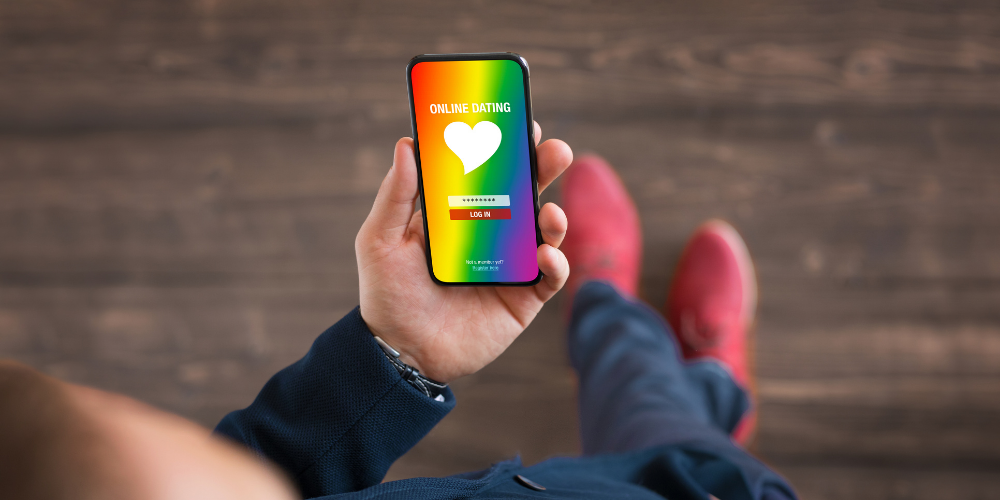
Digital Apps can help LGBTQ+ travellers meet local people, find LGBTQ+ friendly venues, or access peer support.
Digital platforms, including location-based dating and social apps, may be used by some LGBTQ+ travellers to meet people, find LGBTQ+ friendly venues or access peer support. For many travellers, these apps offer:
However, as with any digital interaction, it is important to consider personal safety, privacy and consent, especially when travelling in unfamiliar environments, consuming alcohol or using substances.
When travellers choose to use dating apps abroad, it may be helpful to consider a few supportive safety principles. These include being mindful of the legal and social issues, particularly in destinations where LGBTQ+ identities or relationships are criminalised or stigmatised.
In such settings, apps may be monitored or misused by individuals seeking to entrap, harass or harm LGBTQ+ people. Encouraging travellers to review FCDO country advice and ILGA World legal maps can help them make informed decisions about visibility, profile information and meeting arrangements.

Consent remains central to all interactions, and LGBTQ+ travellers should feel empowered to pause, leave or decline any situation that does not feel right.
Alcohol and substance use can reduce inhibitions and impair judgement, which may increase vulnerability in unfamiliar environments. Travel health practitioners can offer harm‑reduction advice in a supportive way, emphasising that the goal is to help travellers stay safe and in control. This may include:
Consent remains central to all interactions, and LGBTQ+ travellers should feel empowered to pause, leave or decline any situation that does not feel right. UK organisations such as Galop, Stonewall, and Brook provide accessible resources on consent, healthy relationships and LGBTQ+ safety, which can be shared during consultations.
For travellers who may be concerned about harassment or violence, signposting to emergency contacts, local LGBTQ+ community groups, or embassy support services can provide reassurance.
Travel Health Pro, the World Health Organisation (WHO) and European Centre for Disease Prevention and Control (ECDC) highlights ongoing disease outbreaks relevant to travellers, including hantavirus, dengue, mpox, shigella and drug‑resistant gonorrhoea. Travel health practitioners should review WHO and ECDC updates and provide tailored advice based on the traveller’s itinerary, planned activities and underlying health conditions.
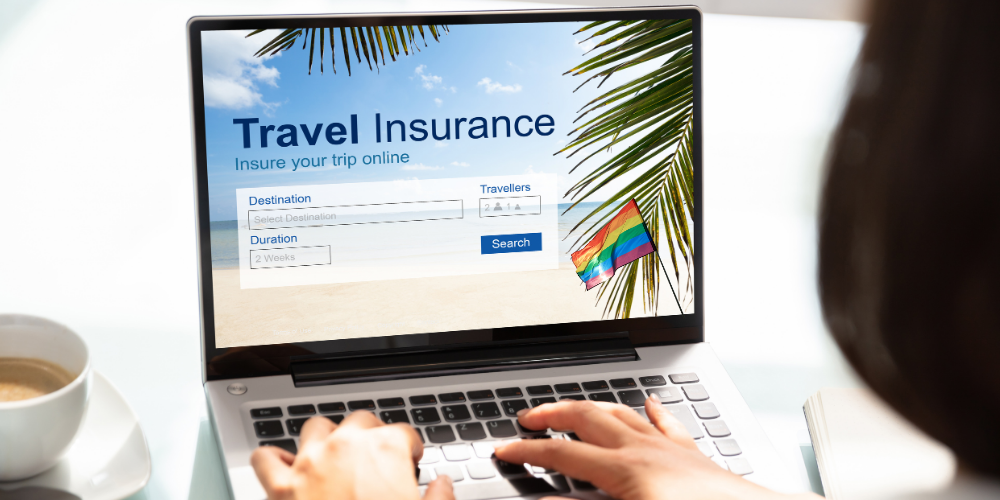
Like heterosexual travellers, LGBTQ+ travellers may need additional support with travel insurance
Like heterosexual travellers, LGBTQ+ travellers may need additional support with travel insurance that covers pre‑existing conditions such as HIV or mental health conditions, access to medication abroad, including antiretroviral therapy (ART), hormones or pre-exposure prophylaxis (PrEP) and documentation for customs or clinical care.
The Global Health Insurance Card (GHIC) may be relevant for European travel. Practitioners should encourage travellers to review policy exclusions carefully and ensure they have adequate coverage.
Pride Month is a reminder that travel health must be inclusive, evidence‑based and person‑centred
Travel healthcare practitioners play a crucial role in supporting LGBTQ+ travellers by creating a welcoming, inclusive environment, using non‑assumptive language, staying up to date with current guidance and integrating sexual health, vaccination and legal considerations into their consultations.
Remember that there are a number of LGBTQ+ individuals to be supported such as families, couples, older adults and solo travellers equally, providing written resources and signposting to reputable organisations.
Pride Month is a reminder that travel health must be inclusive, evidence‑based and person‑centred. LGBTQ+ travellers are diverse and their needs vary widely. Inclusive practice improves health outcomes, builds trust and ensures that all travellers are supported to travel safely and confidently.
By avoiding stereotypes, using open communication and grounding advice in authoritative guidance, travel health practitioners can ensure that all travellers are supported to travel safely, confidently and with pride.