

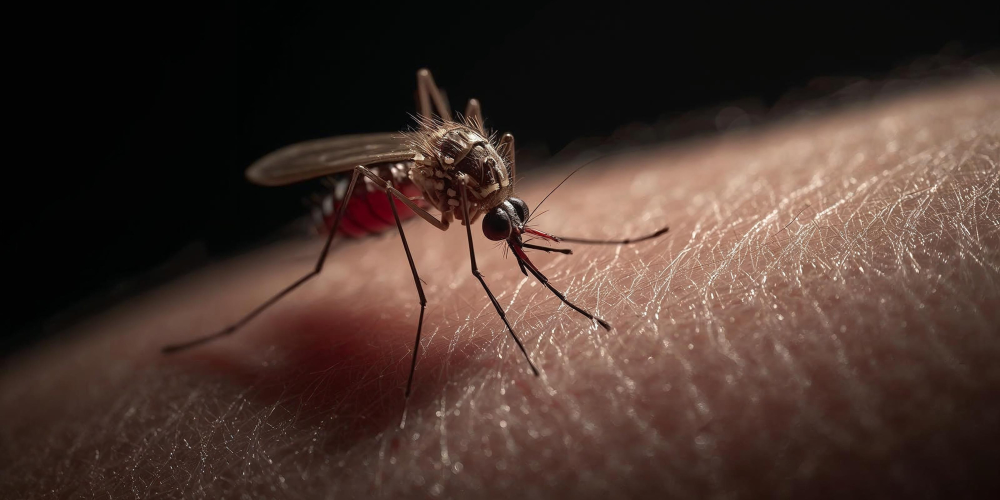
Global patterns of mosquito borne diseases are changing, shaping travel health in the UK. A UK Health Security Agency (UKHSA) report on Travel-associated infections in England, Wales and Northern Ireland: 2025 alongside separate malaria surveillance data, shows that dengue, chikungunya and malaria continue to be imported into the UK by travellers, while Oropouche virus disease was reported for the first time in returning travellers.
Although dengue cases fell in 2025, there was still a considerable number of cases. Chikungunya reached its highest level in over a decade, malaria remained consistently high, and Oropouche virus disease emerged as a newly reported infection in returning travellers.
This highlights the need for clinicians to broaden pre-travel health assessments to consider a wider range of mosquito-borne infections, including arboviral diseases such as dengue, chikungunya, yellow fever and Oropouche virus disease, alongside malaria. As prevention for many mosquito-borne diseases relies heavily on bite avoidance rather than vaccination, it is important to provide travellers with clear and practical advice.

The UKHSA report provides up-to-date data to support clearer risk discussions in travel health consultations.
Although dengue cases fell from 904 in 2024 to 344 in 2025, imported infections remained a concern. Chikungunya rose to 160 cases, the highest since 2014. Separate provisional data provided by the UKHSA showed 1,629 malaria cases, remaining consistently high.
Other infections included seven Zika virus cases and, for the first time, three cases of Oropouche virus disease. No cases of Japanese encephalitis or yellow fever were reported.
Overall, the data highlights the importance of discussing both common and emerging mosquito-borne infections during travel health consultations.

One of the most helpful parts of the UKHSA report is that it highlights which countries travellers had visited before developing mosquito-borne infections. This helps clinicians provide more meaningful destination-specific advice during pre-travel consultations. Let’s take a look at the common countries travellers visited below:

For chikungunya, travel history was known for 156 of 160 cases. The majority were linked to South Asia and the most frequently reported countries were Sri Lanka with 75 cases, India with 17 cases and Bangladesh with 16 cases. The report also notes smaller numbers associated with travel to countries including:
The UKHSA specifically noted that the marked increase in cases linked to Sri Lanka aligned with that country’s first large-scale chikungunya outbreak in 16 years.
For dengue, travel history was known for 325 of 344 cases in 2025. The most frequently reported travel destinations were:
Other notable destinations included Sri Lanka, Philippines, The Maldives, Singapore, Bangladesh, Tanzania, Malaysia, Cambodia, Nigeria, Vietnam, Mexico, Colombia, Côte d’Ivoire, Kenya, Sierra Leone and Somalia, with additional cases linked more broadly to the Caribbean, Oceania and other regions.
This spread throughout different countries shows that dengue risk for UK travellers is wide‑ranging and not limited to a single region of the world.
Travel history was known for all seven zika virus disease cases reported in 2025.
For Zika virus disease, travel history was known for all seven cases reported in 2025. India was the most frequently reported country of travel, accounting for three cases, followed by Thailand with two cases. Single reported travel destinations also included Bangladesh, The Maldives, Sierra Leone and Sri Lanka, noting that some individuals had travelled to more than one country.
The report also highlights that Sierra Leone was recorded for the first time as a travel destination among Zika cases in England, Wales and Northern Ireland.
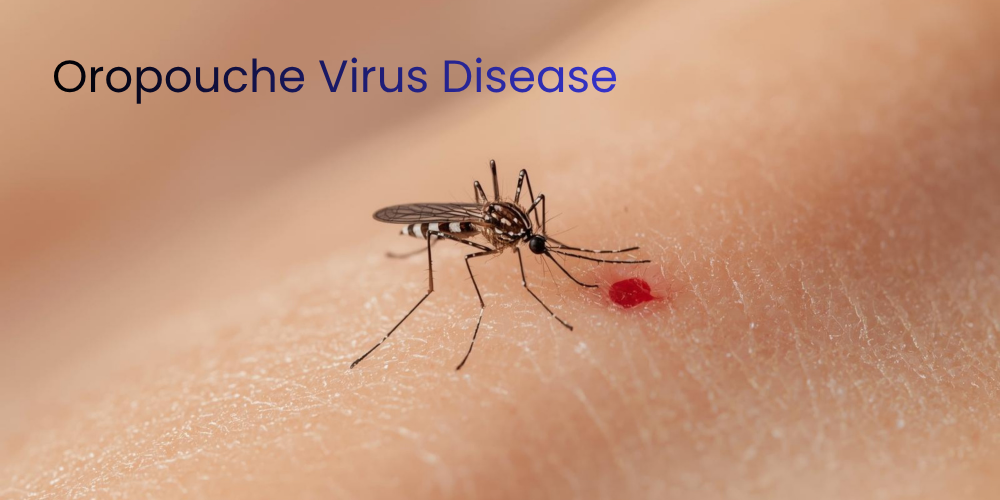
All three cases of Oropouche virus disease, were reported in 2025 in recent travellers to Brazil.
For Oropouche virus disease, all three cases reported in 2025 were linked to recent travel to Brazil. This was the first time Oropouche virus disease had been reported in returning travellers in England, Wales and Northern Ireland, and UKHSA linked this to ongoing high levels of transmission in Brazil.

For malaria, the UKHSA has also released separate provisional data for 2025. These figures show 1,629 reported cases, including 1,325 caused by Plasmodium falciparum, the most severe form of malaria. This is lower than the 1,812 imported cases recorded in the provisional 2024 data.
However, the data still shows that malaria remains consistently high in returning travellers, even though the UKHSA travel‑associated infections report does not include a country‑by‑country breakdown.
Travellers heading to malaria‑risk areas need to be assessed based on the specific country they are visiting, and clinicians should refer to current travel health guidance on NaTHNaC and dedicated malaria surveillance reports for the most up‑to‑date, country‑specific information.

Mosquito‑borne diseases are spread through the bites of infected female mosquitoes, but it’s important for travellers to understand that these bites don’t only happen at night. Dengue, chikungunya, Zika and yellow fever are mainly spread by Aedes mosquitoes, which bite during the day, especially in the early morning and late afternoon.
Malaria is spread by Anopheles mosquitoes, which bite mostly from dusk to dawn. Japanese encephalitis is spread by Culex mosquitoes, which usually bite in the evening and at night, often in rural farming areas.
Night‑time protection is essential for malaria, but for dengue, chikungunya and Zika, daytime bite prevention is just as important.
This should be explained clearly during travel health consultations, especially for people visiting South and South‑East Asia, Latin America and parts of Africa and the Caribbean, where many of the imported cases seen in UK surveillance have come from.

Bite avoidance is still the most important way to prevent most mosquito‑borne infections.
Bite avoidance is still the most important way to prevent most mosquito‑borne infections. The World Health Organisation (WHO) and NaTHNaC recommend using insect repellents containing DEET at a concentration of 50%. Where DEET cannot be used or is not available, travellers to areas with malaria or other vector-borne disease risks may consider alternatives containing the following active ingredients, using the strongest suitable formulation available:
Alongside insect repellents, travellers should also be advised to reduce exposed skin by wearing long sleeves and trousers where practical, particularly during peak mosquito biting times. Choosing air-conditioned or screened accommodation can help reduce mosquito exposure, while insecticide-treated bed nets remain especially important in malaria-risk areas.
Vaccines and chemoprophylaxis should also be discussed when appropriate, based on the traveller’s destination, itinerary and individual level of risk.
Yellow fever can be prevented with vaccination, although suitability depends on factors such as age, medical history and contraindications. A careful risk assessment should balance the potential risks of vaccination against the risk of infection and its complications.
Japanese encephalitis vaccination may also be appropriate for some travellers depending on their travel plans and duration of stay.
Malaria chemoprophylaxis remains an important preventive measure for travellers visiting malaria-risk areas and should follow current UK guidance.
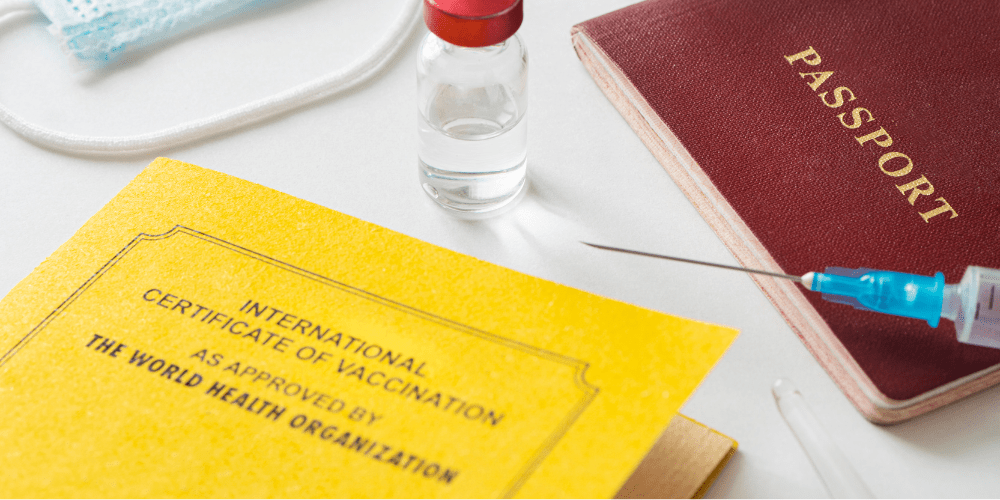
Vaccines for dengue and chikungunya are now available in some settings, although eligibility and recommendations vary depending on the traveller’s circumstances.
Qdenga® is a dengue vaccine licensed in the UK for individuals aged 4 years and over. Current UK guidance advises that Qdenga® may be appropriate for some travellers with previous confirmed dengue infection who are at ongoing risk of dengue exposure during travel. Further guidance on eligibility and use is available in the UKHSA Green Book dengue chapter and through NaTHNaC.
Chikungunya vaccines, including Ixchiq® and Vimkunya®, are also now licensed in the UK. These vaccines may be considered for selected travellers who are at increased risk of exposure or at higher risk of severe disease, particularly those travelling for prolonged periods or visiting areas experiencing outbreaks. As with other travel vaccines, suitability depends on factors such as age, medical history, destination and planned activities during travel. Guidance and eligibility criteria for chikungunya vaccination continue to evolve, and clinicians should refer to the latest JCVI recommendations, NaTHNaC guidance, relevant product information and forthcoming Green Book updates when advising travellers.
For many travellers, mosquito bite avoidance remains the most important and practical preventive measure against dengue, chikungunya, Zika and Oropouche virus disease.
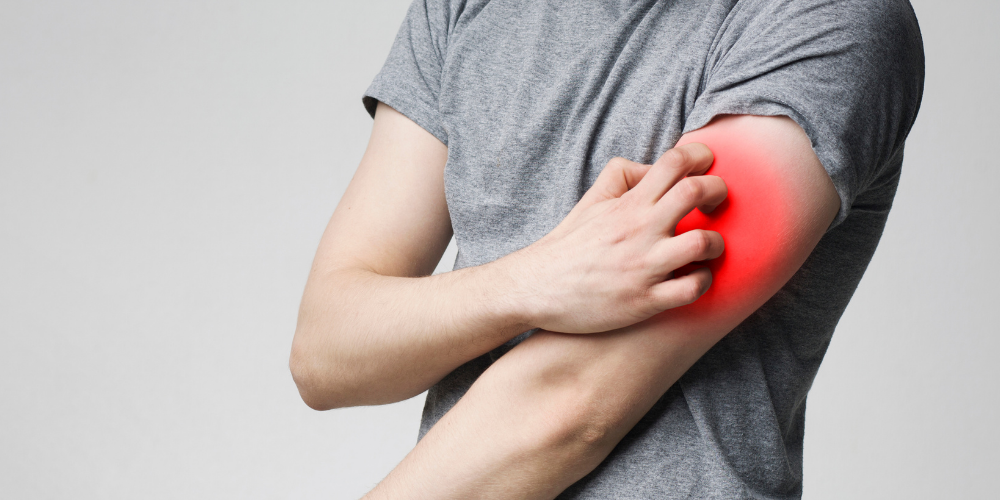
Malaria remains a Medical Emergency.
The UKHSA’s report statistics are important, but they are most useful when translated into practical clinical advice. Dengue typically presents with:
Severe dengue can be uncommon in travellers but remains clinically important because deterioration may occur after the fever begins to settle.

Surveillance data clearly shows that dengue remains one of the most significant imported mosquito‑borne infections in UK travellers.
For travel health professionals, the key message from the UKHSA report is that travel health consultations should be clearer and more informative by using current epidemiology and focusing on the traveller’s behaviour during their trip.
Current surveillance data shows that dengue remains one of the most common mosquito-borne infections seen in UK travellers, while chikungunya cases are increasing and newer infections such as Oropouche virus disease are becoming more relevant in travel medicine. Using up-to-date information like this helps clinicians give clearer and more meaningful advice to travellers.
Consultations should therefore include:
Some travellers, including pregnant women, immunocompromised individuals, and those visiting friends and relatives abroad, may need a more personalised travel health consultation. Travellers should be told what symptoms to look out for and advised to seek medical attention as soon as possible if they develop a fever during or after their travels. It is also important that they mention any recent travel when being assessed by a healthcare professional so they can receive the appropriate treatment and care.

For travel health clinicians, a discussion around mosquito‑borne disease should remain a central part of every pre‑travel consultation.
The UKHSA travel‑associated infections report offers an important and clinically relevant update for travel health professionals. Just to recap, In 2025:
The report also highlights that these infections are linked to a wide range of destinations, including Sri Lanka, India, Bangladesh, Thailand, Indonesia, Pakistan and Brazil.
For travel health clinicians, a discussion around mosquito‑borne disease should remain a central part of every pre‑travel consultation, with bite avoidance presented not only as general advice but as a key clinical intervention.
As travel patterns and disease epidemiology continue to shift, drawing on up‑to‑date guidance from UKHSA, NaTHNaC, WHO and other travel health UK related resources is essential in providing travellers with accurate, practical and evidence‑based care.