

Rabies is one of the most serious infections in travel health medicine, yet surprisingly one of the most neglected. For UK travellers heading abroad, the risk is often dismissed as unnecessary or something that “only happens to other people.” But rabies is almost always fatal once symptoms appear and recent real-life cases show that complacency can cost lives. With global travel increasing and exposure risks rising, it is more important than ever to make rabies vaccination a priority in travel consultations.

Rabies is a viral infection that attacks the brain and nerves. It is transmitted through the saliva of infected warm blooded animals, most commonly dogs but also cats, monkeys and bats. Transmission occurs through bites, scratches or even licks to broken skin.
The type of symptoms, which can develop are:
At this point, the disease is virtually untreatable. Death can follow within days to weeks or occasionally even years. The World Health Organisation (WHO) estimates that rabies causes around 59,000 deaths annually worldwide, with the majority occurring mainly in Asia and Africa.
In the UK, rabies is absent in domestic animals, though a small number of bats can carry European bat lyssaviruses, which are closely related to rabies. This absence has fostered a dangerous misconception that rabies is not something to worry about. Yet for travellers, especially those visiting endemic countries, the risk is real and immediate.

Despite the severity of rabies symptoms, many travellers fail to take vaccination seriously. A few factors can explain this:
In June 2025, Yvonne Ford, a grandmother from Barnsley, South Yorkshire, died after contracting rabies during a holiday in Morocco. She had been scratched by a stray puppy. The wound seemed minor, but weeks later she developed symptoms and tragically passed away.
Her family has since spoken publicly, urging travellers to take rabies seriously and to seek vaccination before travel. The case was widely reported in UK media and serves as an important reminder that a single scratch can cost lives.
This tragedy is a reminder as to why rabies vaccination should not be seen as optional. It is a matter of life and death.
According to the UKHSA, around 2,000 people in the UK need rabies post‑exposure treatment (PET) each year. Amongst these cases, about 12% involve possible contact with bats within the UK, while the remaining 88% are linked to animal exposures that occurred abroad.

UK guidance, including the NHS, NaTHNaC (Travel Health Pro) and the Green Book recommends rabies vaccination for those at risk. Pre-exposure vaccination typically involves three doses over 21–28 days. Two methods are available:
Post-exposure treatment depends on:
Unvaccinated Immunocompetent travellers: In the UK, the recommended schedule for unvaccinated individuals is four post-exposure vaccine doses (days 0, 3, 7 and 21). Rabies immunoglobulin (RIG) is added for WHO Category III exposures (deep bites, scratches, or saliva contacting mucous membranes or broken skin). Category II exposures (minor scratches or nips without broken skin), immunoglobulin is not usually required unless other high-risk features exist. Some countries outside the UK may still follow a five-dose post-exposure schedule, so treatment abroad may differ.
Vaccinated Immunocompetent travellers: Those who have completed a full pre-exposure course (IM or ID) require two post-exposure booster doses (days 0 and 3-7) and do not require RIG, regardless of exposure category.
Partially vaccinated travellers: Those who started but did not complete a pre-exposure course usually do not require RIG, but they often still need the full post-exposure course of four doses, following specialist advice.
Immunosuppressed travellers require special consideration, as their immune response to both pre-exposure and post-exposure vaccination may be reduced. They often require RIG and a full 5 dose post-exposure schedule regardless of prior vaccination history. Specialist advice should always be sought promptly when managing suspected rabies exposures in immunocompromised individuals.
The difference between both vaccinated and unvaccinated travellers is crucial. Rabies immunoglobulin is scarce in many parts of the world, and access is limited in the majority of low-resource settings. Travellers obtaining their rabies vaccines before they travel provides an important safety net.
It is important that both primary care practices and private travel clinics remain vigilant to patients presenting after animal attacks sustained abroad, particularly in regions where rabies is endemic. Under UK Health Security Agency guidance, rabies is almost always fatal once symptoms appear, but timely post‑exposure vaccination and, where indicated, rabies immunoglobulin can prevent disease. It is therefore essential that those working in these areas can promptly identify such cases, initiate the correct vaccination pathways and know which specialist services to contact for urgent advice and referrals. Please find below links that can help guide you in this process:
Referral pathways: Primary care and private providers should contact local infectious disease specialists or the UK Health Security Agency Rabies and Immunoglobulin Service for urgent advice.
Green Book guidance: Chapter 27 of the UK “Green Book” provides detailed national policy on rabies vaccination.
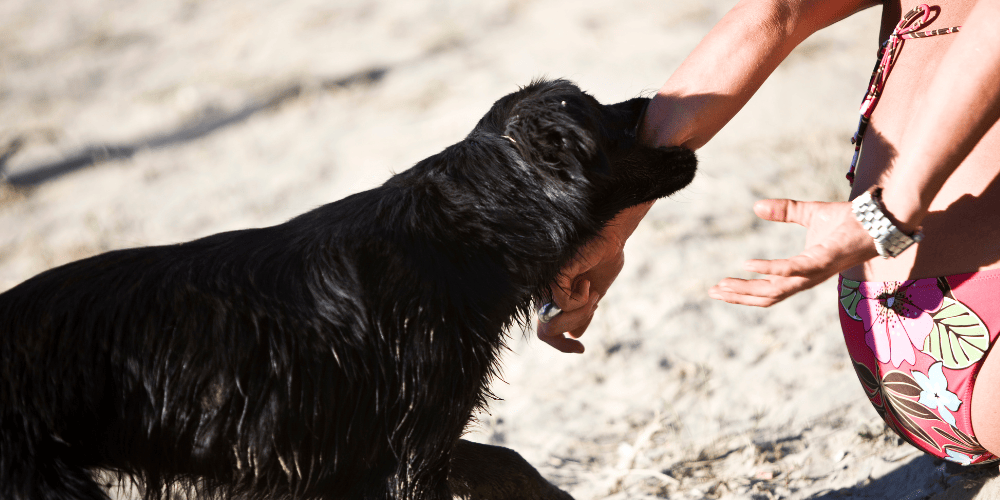
As we have already mentioned, many travellers may be reluctant to consider the rabies vaccine, often because of the cost. That’s why it’s important to focus on giving them clear, practical advice about what to do if they are bitten, scratched or licked on broken skin by any warm‑blooded animal.
Here are some tips you can use when discussing rabies risk in your consultations:
Remember, every healthcare professional has their own style. The way you approach the subject of rabies vaccination may be different from how other healthcare professionals do it and that’s okay. What matters most is that you feel confident and comfortable in your consultation and that your client leaves with the knowledge they need to protect themselves.
Ask your traveller ‘Do they know what to do if they get bit, scratched or licked on an open wound?’. Most travellers won’t know how to carry out this action but it gets them thinking and it is your chance to explain to them the techniques, which then allows you to lead onto the importance of why obtaining the rabies vaccine is crucial.
An example of how I would say it would be:
“If you are bitten, scratched, or even licked on broken skin by any warm-blooded animal (dogs, cats, monkeys, or any mammal capable of carrying rabies), you need to:
Even saliva contacting mucous membranes (eyes, mouth or nose) is considered a significant exposure.
An example of how I would say it would be:
“Even if the bite or scratch looks minor, you must seek medical attention immediately. Do not wait until you return to the UK. If advised, rabies post-exposure treatment (PET) should start abroad, as once the virus reaches the brain, the disease is almost always fatal.”
Tip: You can let your client know about the International Society of Travel Medicine (ISTM) website. This site allows travellers to search for travel clinics in the country they are visiting. Clinics that display the ISTM Certificate in Travel Health (CTH) logo are recognised as qualified to provide advice and care, including support for potential rabies exposures.
Global Travel Clinic Directory – International Society of Travel Medicine
Another website your client can use to get advice and warnings about travel abroad will be the FCDO (Foreign, Commonwealth and Development Office)
https://www.gov.uk/foreign-travel-advice
It is helpful for your client to understand the difference between pre‑exposure vaccination and post‑exposure treatment. If someone is not vaccinated and is bitten or scratched by a warm‑blooded animal, they may need rabies immunoglobulin as part of their treatment. This medicine can be difficult to access in some countries and, when available, it can be very expensive, sometimes costing hundreds of pounds. By comparison, although the rabies vaccine itself involves an upfront cost, it often works out to be more practical and affordable than paying for emergency treatment abroad.
Important Tips to Explain to Your Client:
It is handy to inform your client to keep written notes or photos of any rabies treatment they receive abroad, including the vaccine type and whether immunoglobulin was given. This helps UK clinicians continue their care if the client still requires further treatment.
Furthermore, make sure that when you administer the course of rabies vaccines, that you give your client a vaccination book with the rabies name, chosen rabies schedule, route of injection, type of injection (IM or ID), the date of vaccine administered and sign your signature.

Again, reiterate what you have said:
‘If you have any contact with a warm blood animal abroad that breaks the skin or exposes you to saliva, treat it as a medical emergency. Start first aid immediately, seek local medical care without delay and keep records of any treatment you may have obtained. Rabies vaccination before travel gives you a vital safety net, but post‑exposure treatment is still essential.’

Travel health professionals are at the frontline of prevention. Your consultations are your opportunity to challenge misconceptions and empower your clients with accurate information.
Key responsibilities include:
By integrating rabies risk into your consultations, travel health professionals ensure that travellers make informed, lifesaving decisions.

The Barnsley case is not an isolated tragedy. Similar incidents have occurred worldwide, often involving tourists who underestimated the risk. The lesson is clear that rabies is preventable but only if vaccination and awareness are prioritised.
With global travel increasing, exposure risks are rising. Adventure tourism, volunteering and visits to rural or remote areas all heighten the chance of animal contact. Children, in particular, are at greatest risk, as they are more likely to approach animals and less likely to report bites or scratches.
Rabies vaccination should therefore be seen not as an optional extra, but as a core component of travel health. It is as essential as malaria prophylaxis or yellow fever vaccination for those visiting endemic regions.
Rabies is almost always fatal once symptoms appear. Yet it is entirely preventable through vaccination and bite avoidance. The tragic death of Yvonne Ford is a reminder that complacency kills.
UK guidance is clear that travellers to rabies-endemic countries should consider vaccination, whether via intramuscular or intradermal injection routes. Travel nurses must integrate rabies risk into consultations, challenge misconceptions and advocate for prevention.
Below you will find informative resources regarding rabies, that you can give to your client to take away with them for further reading:
UKHSA – Rabies Information for Travellers
Or