
If you administer vaccinations, you may have started hearing more about Vaccine Group Directions (VGDs). But what exactly are they, how are they different from the legal mechanisms we already use, and what do they mean for us in practice? VGDs came into force on 1st April 2026 and provide another way of supporting the […]

By Valerie DowleyIndependent Tissue Viability Nurse Specialist Selecting an appropriate wound dressing requires an understanding of the wound, the healing process and how different dressing types work. In this blog, Valerie Dowley, Independent Tissue Viability Nurse Specialist, explores the key principles of wound healing and dressing selection, with a practical guide to some of the […]
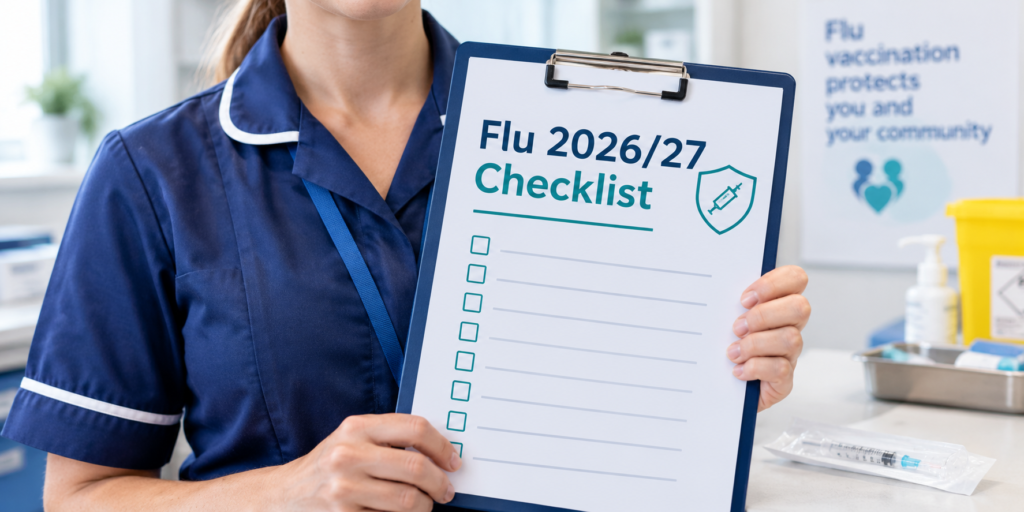
Flu season is here….but is your clinic really ready? From checking the latest guidance and vaccine stock to competency, documentation and emergency equipment, there’s a lot to have in place before the first patient arrives. A few simple checks now can help your clinics run more safely, smoothly and confidently once the season gets busy. […]

A fertility conversation can begin in the most ordinary of primary care consultations. A patient attending for cervical screening, a medication review or another routine appointment may mention that they have been trying to conceive without success. Others may simply be starting to think about pregnancy and want to know what they should consider first. […]
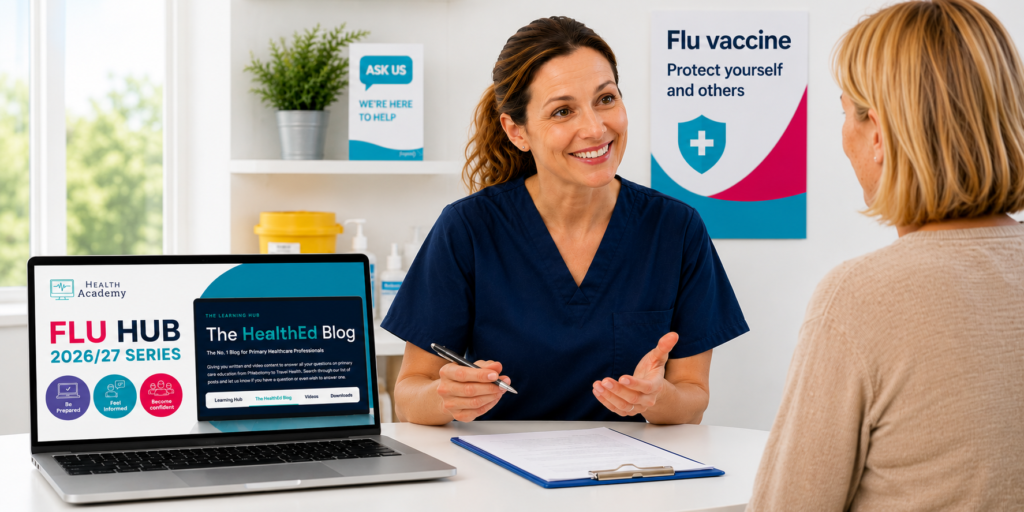
Flu vaccination appointments are often about much more than simply administering a vaccine. For many vaccinators, one of the most important parts of the consultation is answering questions, addressing concerns and helping patients make an informed decision about vaccination. Whether you are a practice nurse, community pharmacist, healthcare assistant, pharmacy technician or another healthcare professional […]

By Valerie DowleyIndependent Tissue Viability Nurse Specialist The prompt recognition of wound infection and implementation of appropriate interventions remains one of the most important aspects of wound management. Increasing patient complexity, advancing age, and the growing prevalence of multiple comorbidities mean that delayed identification of infection can have serious consequences for both wound healing and […]
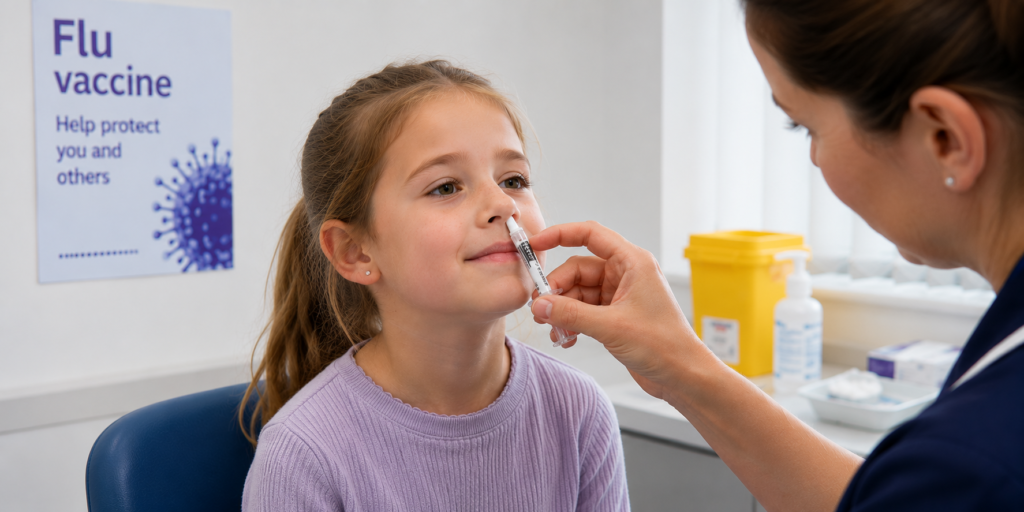
Welcome to the second blog in the Health Academy Flu Hub 2026/27 series, created to help healthcare professionals prepare for the upcoming flu season. Whether you are a practice nurse, community pharmacist, healthcare assistant, pharmacy technician or another healthcare professional involved in supporting or delivering seasonal influenza vaccination, our goal is simple: to provide clear, […]

Every year, the seasonal influenza vaccination programme helps protect millions of people across the UK from serious illness while reducing pressure on NHS services during the busy winter months. Although flu vaccination is a familiar part of primary care, no two seasons are ever the same. National guidance evolves, vaccine products are updated, eligible patient […]
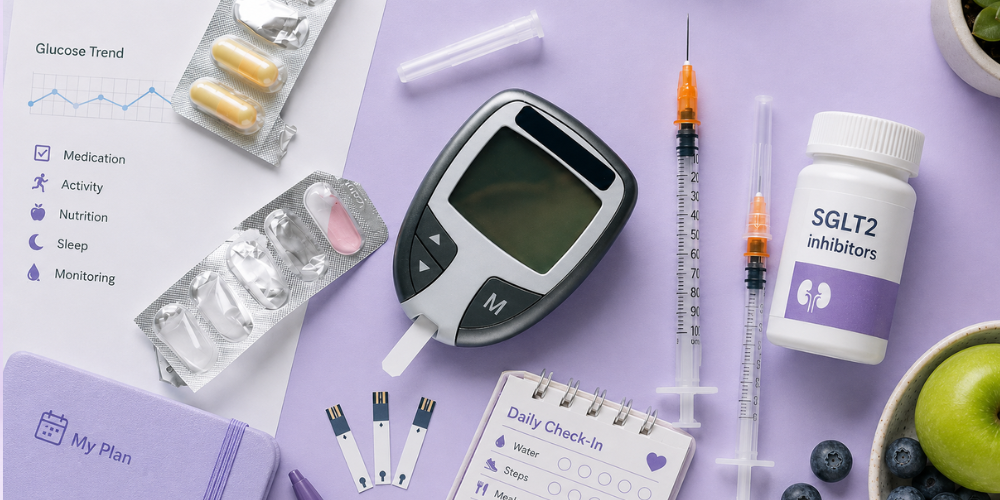
By Sonia Willis RGNIndependent Nurse Specialist in Diabetes Management and Education When I first started working in diabetes, things looked very different. I remember testing urine for glucose before blood glucose monitoring became routine. I remember the excitement when BM sticks became more widely available, allowing us to gain a much clearer picture of glucose […]

Assessing children can often be a tricky task, and this is usually down to a number of different factors. Children of all ages can present very differently, and unlike adults, they are not always able to clearly explain what is wrong. Depending on their age and developmental stage, they may be unable to talk, struggle […]