

Meningococcal disease remains relatively uncommon, but recent increases highlight the need for continued vigilance. In 2024–25, the UK Health Security Agency (UKHSA) recorded 378 cases of Invasive Meningococcal Disease (IMD), up from 340 the previous year. MenB was responsible for the vast majority of cases (82.6%), followed by MenW (11.3%), MenY (3.4%), and MenC (0.8%) With cases rising, recognising symptoms early and maintaining high vaccination uptake are more important than ever.
At Health Academy, we break down each vaccine-preventable disease using our practical 4T’s Framework, helping healthcare professionals get clear on the essentials:
🔹 Type
🔹 Transmission
🔹 Threat
🔹 Treatment and Prevention
Let’s explore meningococcal disease using this approach.
Meningococcal disease can cause meningitis or septicaemia and often can progress rapidly within hours.
👉 Watch our explainer video to learn how meningococcal bacteria spread and why rapid recognition and vaccination are key to saving lives.
🔹 Type: Meningococcal disease is caused by Neisseria meningitidis, a bacteria that can lead to meningitis or life-threatening septicaemia. Early symptoms mimic flu with a fever, headache, nausea, but can quickly escalate to a stiff neck, light sensitivity, confusion, and a non-blanching purple rash.
🔹 Transmission: The bacteria spread via respiratory droplets and saliva. Coughing, sneezing, kissing, or sharing utensils can pass the infection, making students and those in shared accommodation particularly vulnerable.
🔹Threat: Babies, young children, teenagers, and young adults face the highest risk. Even with urgent treatment, survivors may experience long-term complications such as hearing loss, neurological damage, or limb loss.
🔹Treatment and Prevention: Immediate antibiotic treatment is critical. Early action significantly improves outcomes, while delays, even short ones, increase the likelihood of severe complications. Vaccination is the most effective protection. In the UK routine schedule:
These vaccines protect against the major circulating strains responsible for serious disease.
Please note: The Hib/MenC vaccine at 1 year of age was removed from the schedule in July 2025 for all those born on or after the 1st July 2024 following updated national guidance.
Meningococcal disease strikes fast, but it can be prevented. High vaccine uptake and strong awareness of symptoms help protect individuals, families, and entire communities.
If you want to build confidence in vaccine-preventable disease management, explore our expert-led immunisation training. Whether you’re just starting out or refreshing your knowledge, Health Academy offers clear, practical courses designed for today’s primary care and community pharmacy teams.

This is part of the ‘Health Academy Short Course’ series and provides clinicians with specific information related to the Bexsero vaccine.
This course is suitable for all Registered Healthcare Professionals, including Nurses, Pharmacists and GPs that administer this vaccine in practice.
The course provides 1 hour of CPD
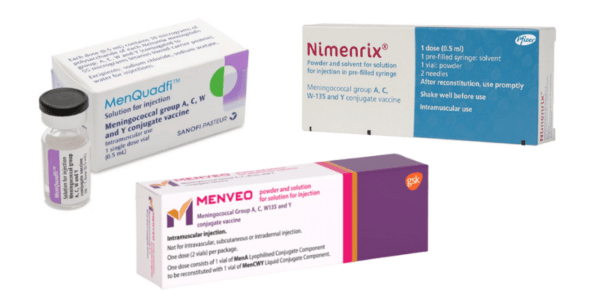
This is part of the ‘Health Academy Short Course’ series and provides clinicians with specific information related to the Menquadfi, Nimenrix and Menveo (MenACWY) vaccines.
The course provides 1 hour of CPD
Missed Part 6 of the series? In the sixth instalment of our 4T’s blog series, we looked at Rubella, a contagious viral infection. Rubella is usually mild, but infection during pregnancy can have serious consequences for the developing baby, including miscarriage or Congenital Rubella Syndrome (CRS). 👉 Catch up and watch the full video: Understanding the 4T's of Rubella.