



By Valerie Dowley
Independent Tissue Viability Nurse Specialist
Antimicrobial dressings have an important place in wound care, but they should not become an automatic response to every chronic wound. In this article, Valerie Dowley, Independent Tissue Viability Nurse Specialist explores why antimicrobial dressings are best used selectively and why every decision should begin with a holistic assessment of the person and the wound.

Hard to Heal wounds, including pressure ulcers, venous leg ulcers and diabetic foot ulcers, remain a common and complex challenge across healthcare settings. They affect a significant proportion of the population, particularly older people and those living with conditions such as diabetes, vascular disease or compromised immune function (Guest et al., 2015).
With healing often taking longer than six weeks, hard to heal wounds can bring persistent pain, reduced quality of life and considerable healthcare costs (Posnett & Franks, 2008).
Their underlying pathophysiology is equally complex, which includes:
And these points can contribute to impaired healing (Frykberg & Banks, 2015).
Bacteria is another important part of this picture. Research suggests that around 70% of hard to heal wounds are colonized by bacteria, but when colonisation progresses towards infection, healing may be significantly disrupted (Bowler et al., 2001).
Infection can increase inflammation and tissue damage and encourage biofilm formation. Biofilms are organised communities of bacteria protected within a self-produced matrix, making them particularly resistant to antimicrobial agents and host defences (Percival et al., 2011).
This is where antimicrobial dressings can be valuable. Products containing agents such as silver, iodine, polyhexanide (PHMB) and honey are designed to reduce wound bio-burden and support healing when infection, or a meaningful risk of infection, is present.
The key, however, is considered use. Incorrect or prolonged antimicrobial use may contribute to resistance and potentially narrow future treatment options (World Health Organization, 2014).
Antimicrobial stewardship therefore matters in wound care, with prudent antimicrobial decision-making helping to protect patients now and in the future
(Edwards-Jones, 2020).

The decision to introduce antimicrobial dressing should follow a thorough assessment of both the wound and the person, weighing the likely benefits against potential risks. The TIME framework -Tissue, Infection/Inflammation, Moisture balance and Edge of wound – provides a structured approach that can help nurses recognise subtle signs of infection or critical colonisation (Ousey et al., 2016).
More recent nursing literature also reinforces that holistic assessment and systematic frameworks are central to appropriate dressing selection and care planning (Bishop, 2021).
Current guidance and best-practice recommendations emphasise selective antimicrobial use rather than routine use for every chronic wound (EWMA, 2013; NICE, 2019). So, what should prompt us to consider one?

Clinical Signs of Infection: Two or more local signs such as increasing pain, redness, swelling, warmth, purulent exudate or malodour in a previously stable wound bed may indicate that an antimicrobial dressing is needed (Cutting & White, 2004). These changes suggest that bacterial burden may be interfering with wound healing.
Critical Colonisation: Not every patient presents with classic signs of infection. This is particularly important in people with diabetes or compromised immunity. A wound may instead show signs of critical colonisation, where bacterial burden is sufficient to delay healing without systemic symptoms. Look for subtle changes such as failure to heal, increased exudate, friable granulation tissue or a change in wound appearance (Sibbald et al., 2006).


A High Risk Of Infection: Prophylactic antimicrobial use may occasionally be considered where infection risk is particularly high, for example in a person with compromised immunity, a heavily contaminated wound such as one exposed to faeces, or a wound that is difficult to manage with standard wound care (EWMA, 2013). This should not be an automatic decision. Discuss prophylactic antimicrobial use with the Tissue Viability Team to make sure other approaches to improving healing have been considered.
Malodour Affecting Quality Of Life: Antimicrobial dressings may also have a role in controlling wound malodour, even when overt infection is absent. This can be particularly relevant for fungating tumours or infected wounds where odour has a significant effect on the person’s quality of life (Woo & Sibbald, 2009).


The antimicrobial ingredient is only part of the decision. A dressing should first be chosen for the properties needed to manage the wound’s symptoms. If exudate management is the priority, for example, an antimicrobial hydrofibre or alginate may be more appropriate than choosing a product simply because it contains an antimicrobial.
It may be useful to revisit the previous blog to refresh your knowledge of the generic properties of different dressing groups before selecting.
The most appropriate product will depend on:
Local availability matters too, so clinicians should work within their local wound dressing formulary. Dressing choice can feel complex, and evidence-based selection should remain linked to the findings of holistic assessment rather than to the product alone (Bishop, 2021).
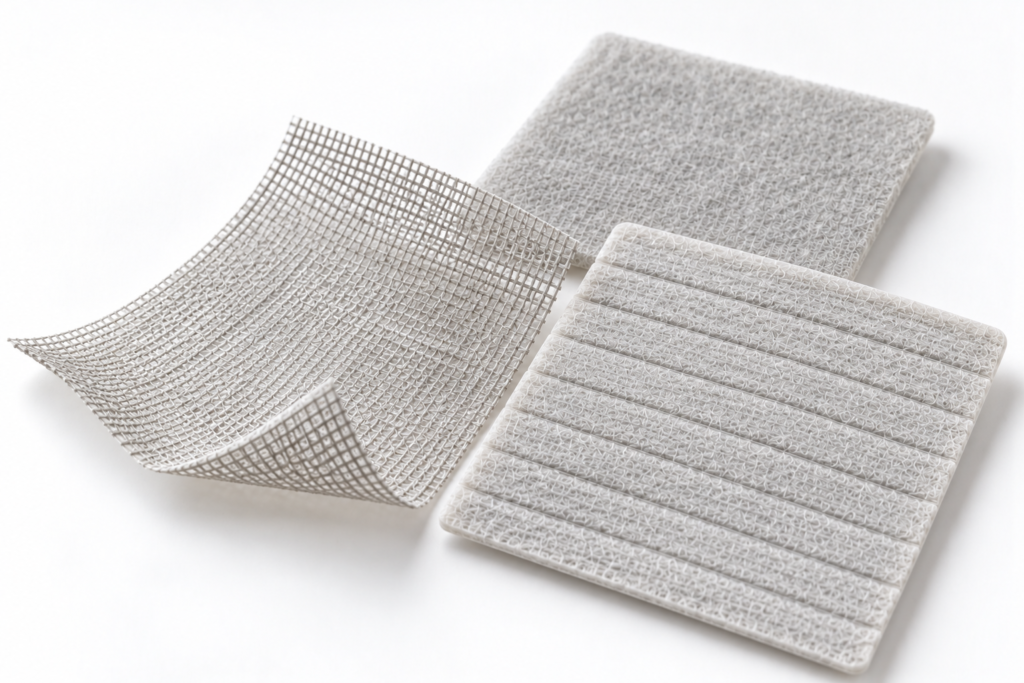
Silver Dressings: Silver is a broad-spectrum antimicrobial agent that acts on bacterial cell membranes and inhibits bacterial growth (White & Cutting, 2006). Silver is incorporated into foams, non-adhesive dressings, hydrofibres and alginates, and is active against a range of organisms including Staphylococcus aureus, Pseudomonas aeruginosa and Escherichia coli. Prolonged use, however, has raised concerns about the potential for silver resistance (Ip et al., 2010). Silver can also stain the wound bed, sometimes creating an appearance that resembles unhealthy or necrotic tissue.
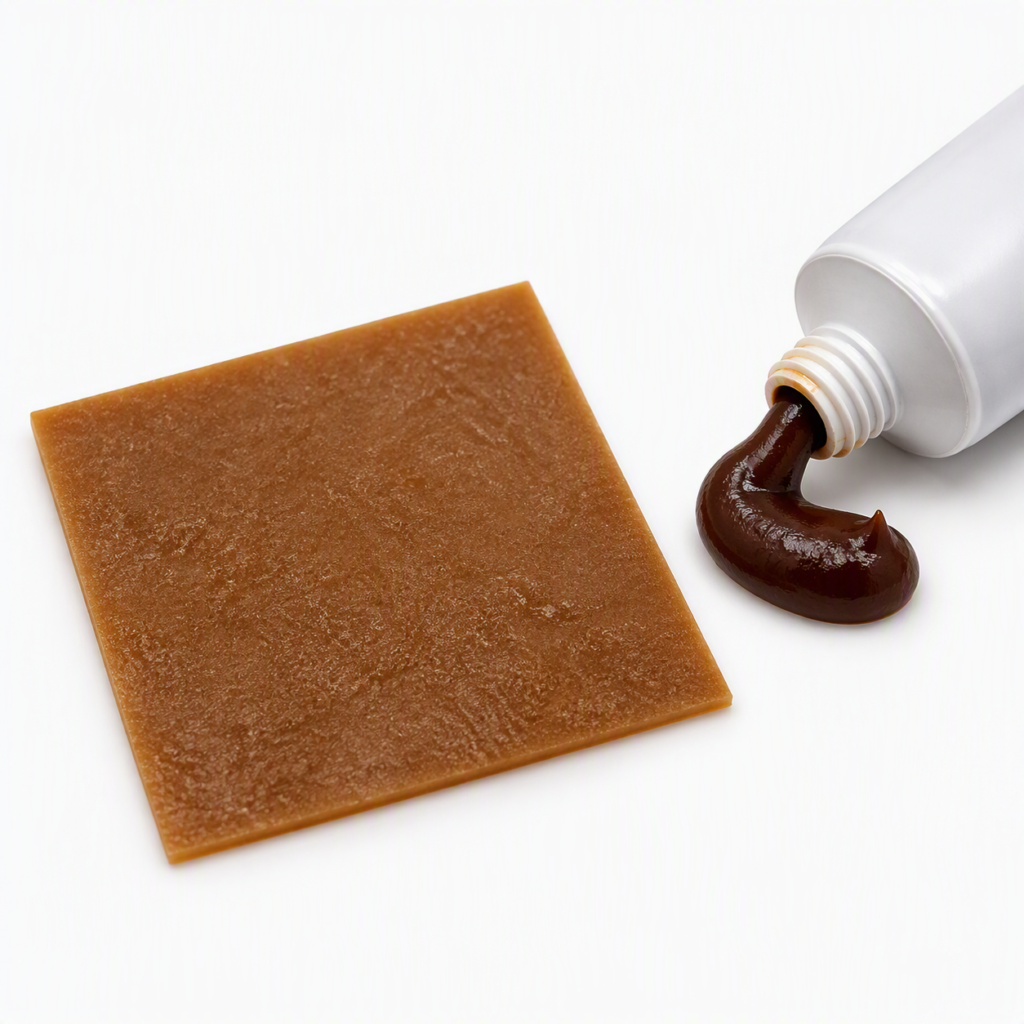
Iodine Containing Dressings: Iodine is also a broad-spectrum antimicrobial and works by oxidising microbial proteins and nucleic acids (Bigliardi et al., 2017). Cadexomer iodine is often preferred because it releases iodine gradually, reducing cytotoxicity while supporting wound healing (Hansson,2009). It is available as Iodoflex paste, Iodosorb ointment or Iodosorb powder. There are important restrictions, including use during pregnancy, in patients taking lithium and in people with thyroid gland problems. Always check the manufacturer’s instructions before use.
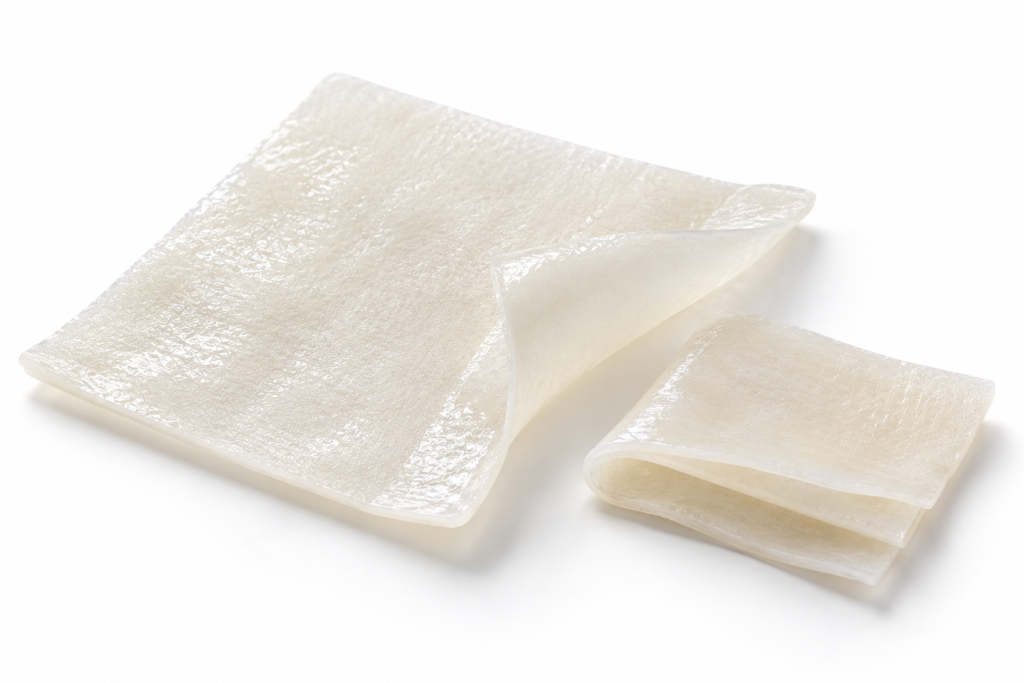
PHMB Dressings: Polyhexanide (PHMB) is a synthetic antimicrobial that disrupts bacterial cell membranes. It is generally well tolerated and has broad-spectrum activity against bacteria, fungi and viruses. PHMB is available in solutions, gels and impregnated dressings (Kramer et al., 2005) and is considered less cytotoxic than some other antimicrobial agents.
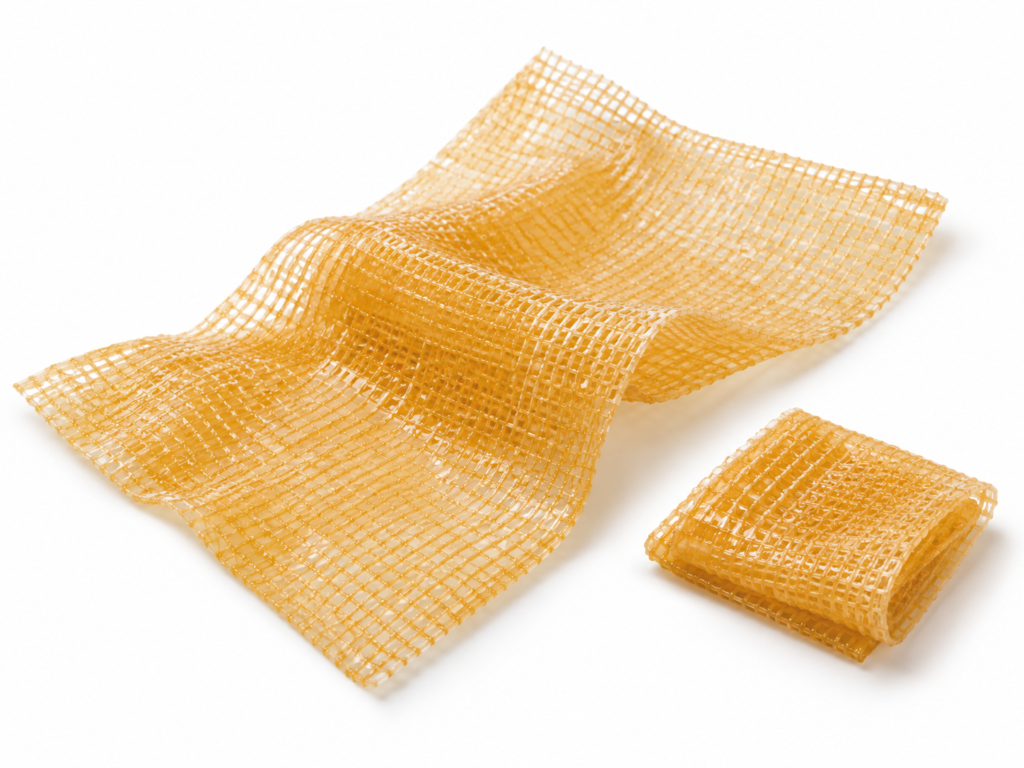
Honey Dressings: Medical-grade honey, particularly Manuka honey, has antimicrobial activity associated with its high sugar content, low pH and the presence of methylglyoxal (MGO), which interact to disrupt bacterial DNA (Molan, 1999). Honey may also support healing by stimulating new blood vessel growth and reducing inflammation (Gethin et al., 2008). It can be particularly useful when managing malodorous wounds and when autolytic debridement is required. Use honey cautiously in people with diabetes and in wounds with a poor blood supply or high pain levels.
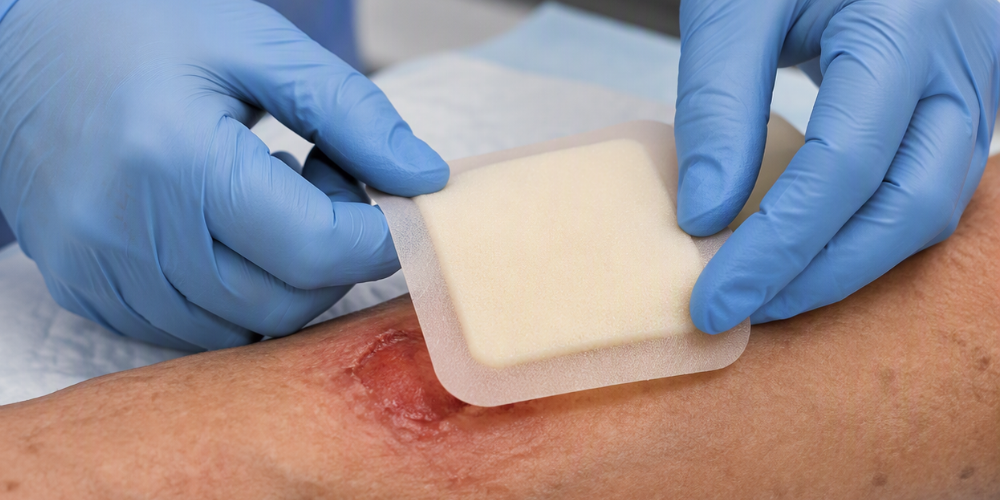
Whatever antimicrobial is selected, good wound-care fundamentals remain essential. The following points help maximise effectiveness while reducing the risk of complications.
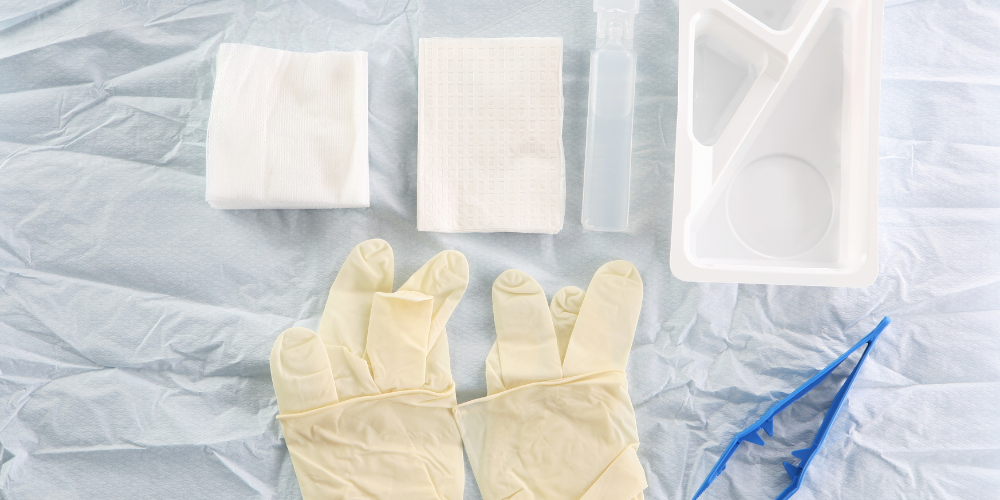
Prepare the wound bed. Before applying an antimicrobial dressing, cleanse the wound with an appropriate wound cleanser, debride necrotic tissue where indicated and make sure that moisture balance is appropriate (Gray et al., 2011)
Match the dressing to the wound. Base selection on wound type, exudate level and signs of infection, alongside the wider assessment already discussed.
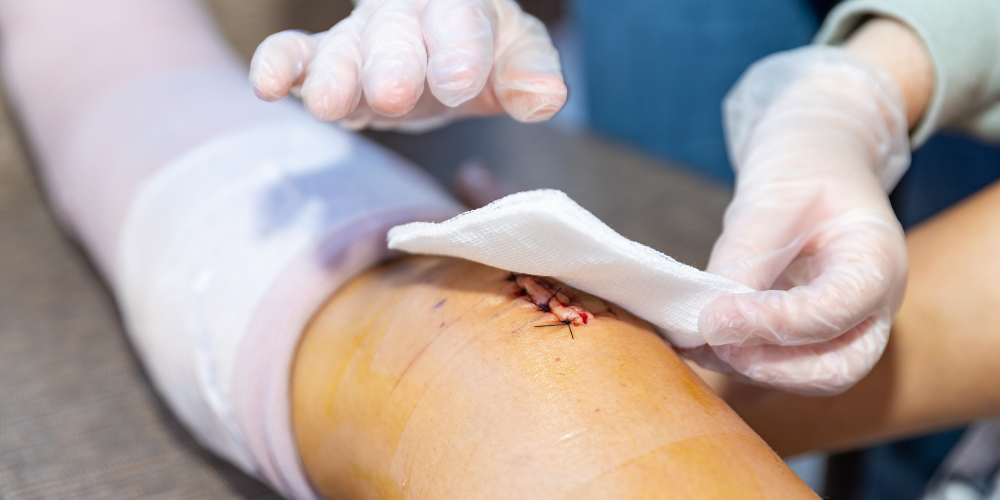
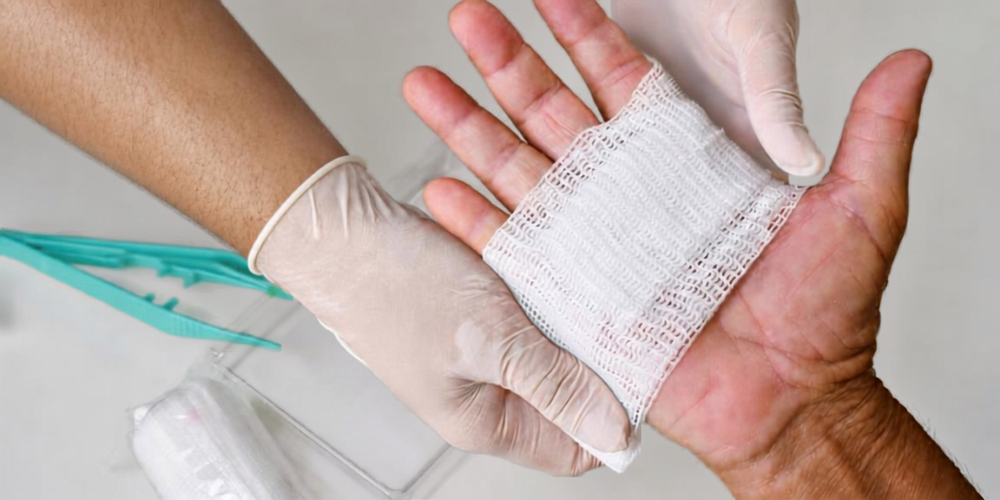
Apply it correctly. Follow the manufacturer’s instructions, make sure the dressing is in direct contact with the wound bed and secure it appropriately.
Review change frequency. Frequency will vary with dressing type, exudate level and the individual patient. In general, dressings should be changed when saturated with exudate or when signs of infection indicate that review is needed (NICE, 2019).
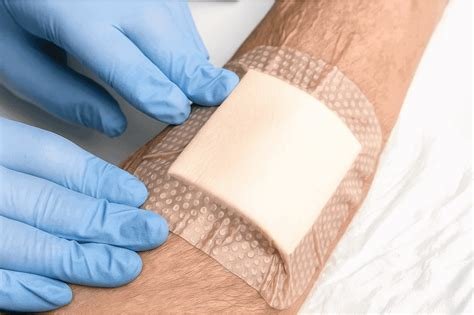
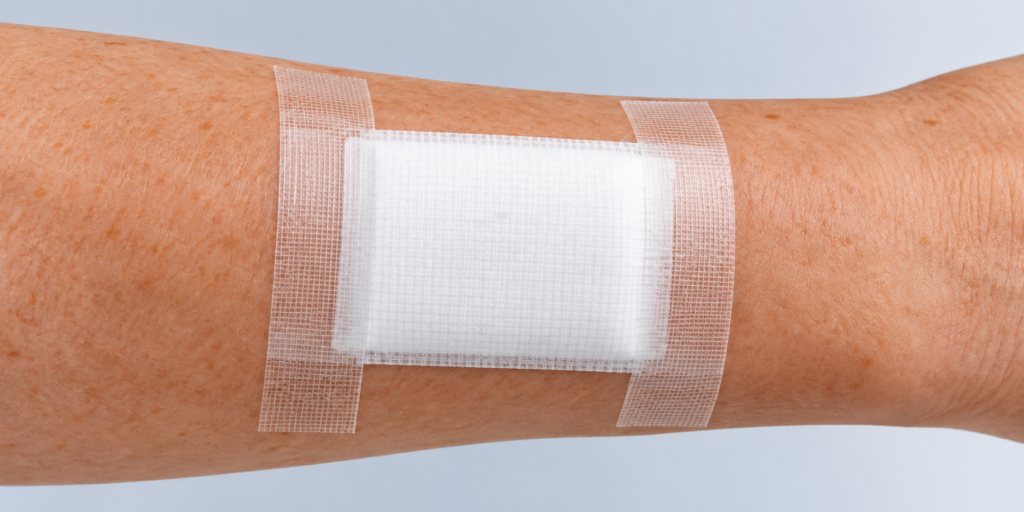
Use a secondary dressing when required. A secondary dressing may be needed to absorb excess exudate and protect the wound. Select it according to exudate volume and the patient’s comfort.

Every clinician making prescribing decisions in wound care has a responsibility to optimise antimicrobial use and support antimicrobial stewardship. Regular review, evaluation and clear documentation are therefore not optional extras: they are essential for judging whether the dressing is working and for identifying complications. UK nursing literature similarly highlights antimicrobial stewardship as an important response to increasing antimicrobial resistance and the need for appropriate antimicrobial use in wound care (Edwards-Jones, 2020).
Monitor for allergy, adverse reactions, skin irritation and changes in the wound itself. Antimicrobial dressings should be used for only 2-4 weeks. If there is no significant improvement in the wound condition after this period, referral to a Tissue Viability Nurse is important.
The message is simple: antimicrobial dressings are valuable when there is a clear clinical reason to use them. Through regular wound assessment, a documented rationale for product choice and use for the recommended duration, healthcare professionals can support wound healing, reduce unnecessary antimicrobial exposure and manage chronic wounds with evidence-based knowledge and skills.
On 21 September 2026, we were joined by Valerie Dowley for a free lunchtime Q&A session exploring practical approaches to wound assessment, wound bed preparation and common wound care challenges in primary care.
Missed the session? Catch up below with an hour of lunchbreak CPD!
If you would like to build your confidence and knowledge in wound assessment and management, Health Academy offers two wound care courses, with options for both Healthcare Assistants (HCAs) and Practice Nurses.
Visit the individual course pages to find out more, or contact Health Academy to arrange bespoke wound care training for your team.

Our ‘Wound Care Management for HCAs’ course provides a comprehensive overview of essential skills and knowledge in wound care management. Covering skin anatomy, wound healing principles, and classifications of wounds, the course delves into practical aspects of wound management including, dressing selection, infection control, and other medico-legal considerations.
Contact us below to register your interest.

Our ‘Wound Care for Practice Nurses’ course provides a comprehensive overview of essential skills and knowledge in wound care management. Covering skin anatomy, wound healing principles, and classifications of wounds, the course delves into practical aspects of wound management including, dressing selection, infection control, and other medico-legal considerations.