

By Valerie Dowley
Independent Tissue Viability Nurse Specialist
Selecting an appropriate wound dressing requires an understanding of the wound, the healing process and how different dressing types work. In this blog, Valerie Dowley, Independent Tissue Viability Nurse Specialist, explores the key principles of wound healing and dressing selection, with a practical guide to some of the most commonly used wound dressing types.
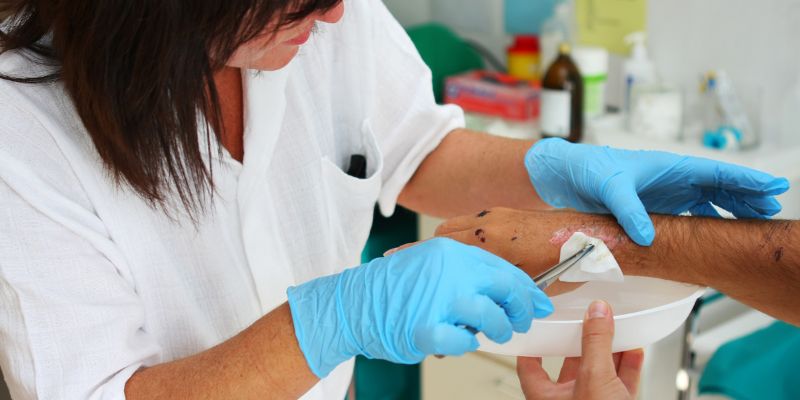
For many clinicians, choosing the right wound dressing can feel overwhelming. With so many dressing types available and such a wide variety of wound aetiologies, selecting the
most appropriate product is often far from straightforward. Even clinicians specialising in
Tissue Viability can find the process challenging, so it’s no surprise that non-specialist
practitioners managing wounds day-to-day may struggle.
White et al. (2017) suggest that the growth of specialist nursing roles has unintentionally
led some front-line staff to become increasingly reliant on Tissue Viability Nurse (TVN)
assessments rather than developing confidence in their own decision making.
At the same time, many nurses receive limited wound care education during their undergraduate studies or within the workplace. As a result, clinicians may be expected to manage wounds without fully understanding how different dressings interact with the wound bed to promote healing.
Healthcare assistants are also increasingly asked to undertake wound management activities beyond their original competencies, often without access to the additional training required because of ongoing pressures related to staffing, time, and cost (White et al., 2017).
The scale of wound management within the NHS highlights why this knowledge is so
important. Guest et al. (2020) estimated that 3.8 million patients had wounds managed by
the NHS during 2017/18. Caring for these patients required 54.4 million community nurse
visits, 53.6 million healthcare assistant visits, and 28.1 million practice nurse visits.
The financial impact is equally significant:
Unhealed wounds account for 81% of the total wound-related costs incurred in the community (Guest et al., 2020).

To select the right dressing, it is first important to understand how wounds heal.
Wound healing is a complex and overlapping process that ultimately restores the skin’s epithelial layer and achieves wound closure (Cullen and Gefen, 2022). Clinicians involved in wound care should understand each stage of healing so they can recognise when a wound becomes “stuck” and may require intervention to progress healing.
The healing process consists of four overlapping phases:
A wound dressing’s primary role is to mimic the functions of healthy skin and create an environment that supports this healing process (Siavash and Noursina, 2023). Modern wound dressings are designed to:
However, successful wound healing is never just about choosing a dressing. The dressing should always be selected following a thorough wound assessment and a clear understanding of the wound’s underlying aetiology.

The wound assessment process should follow local organisational guidelines and should consider a wide range of factors such as:
Or is the wound:
The dressing’s mode of action should match the treatment objective, whether that is:
Other factors to consider are the amount of exudate, wound odour, signs of inflammation or infection, pain level, peri wound skin condition (dry, callus, macerated), the patient’s preferences and understanding, pain levels, allergies, compliance with treatment, lifestyle, culture and religious preferences (Ashenden et al., 2021; Brown, 2015; Deutsch et al., 2017)
The dressing should remain securely in place during everyday activities and for a sufficient period to support healing. It should:
It should also be:
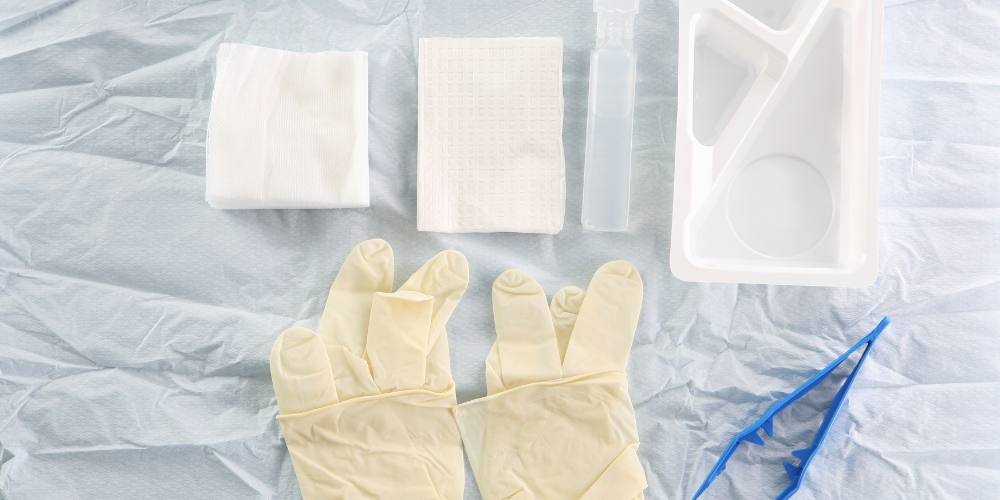
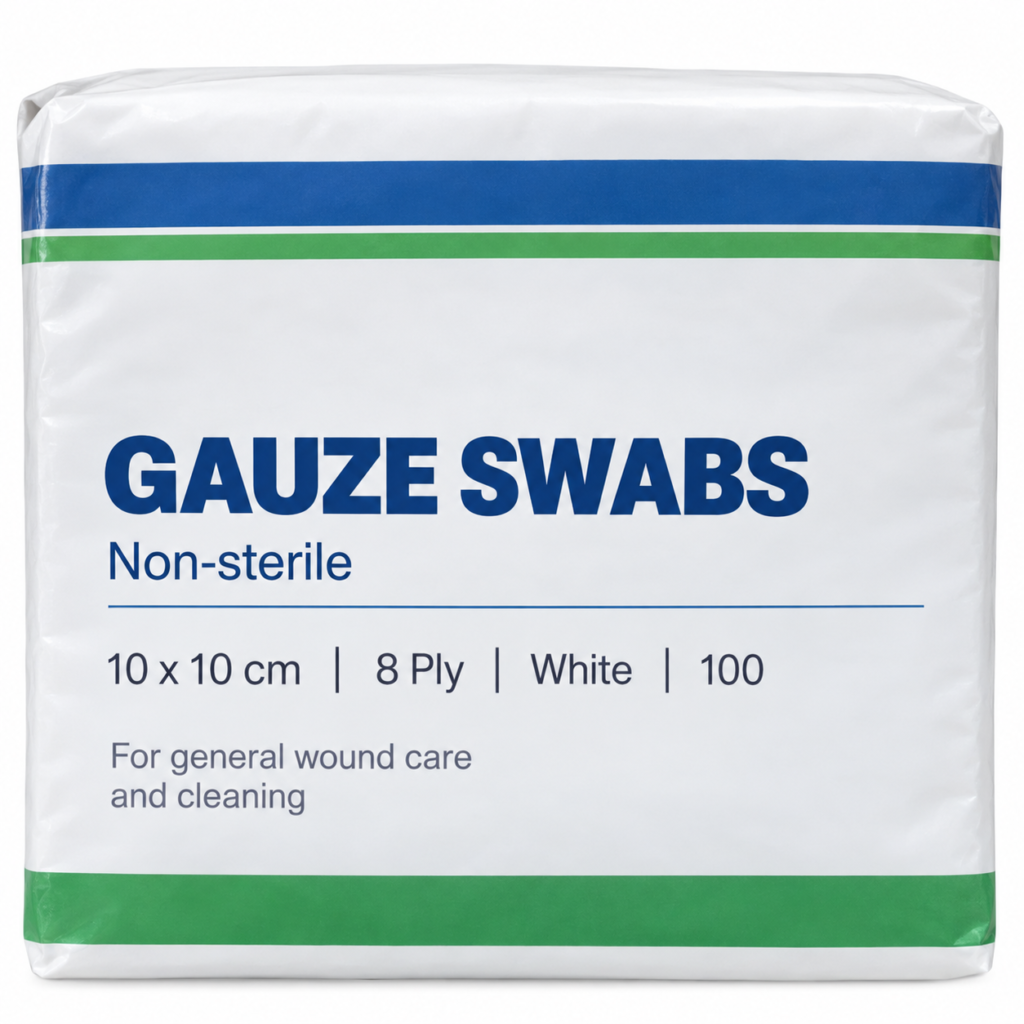
Gauze is no longer considered an ideal primary dressing for wound healing because it can dry out, adhere to the wound bed, and cause pain during removal.
Today, it is mainly used for cleaning wounds, as a temporary coverage, controlling bleeding while awaiting assessment or as a space filler when a cavity wound is lined with the desired primary dressing. Sterile soft gauze can also be used to fill up the remainder of the cavity.
Non-Adherent Dressings: These dressings are commonly made from paraffin, lipid-colloid, or silicone-impregnated mesh. They are particularly useful for superficial wounds and fragile tissue because they minimise trauma during dressing changes.
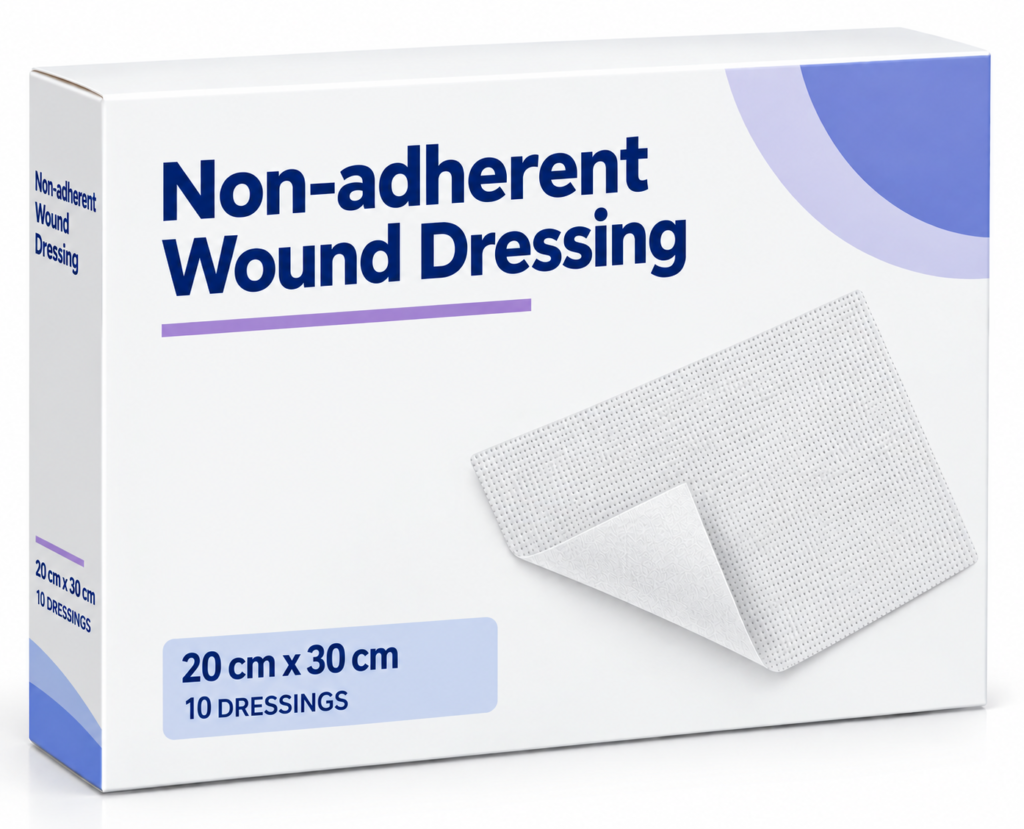
Examples: Atrauman, Jelonet, Mepitel, Silflex, Melolin, NA+, NA Ultra.
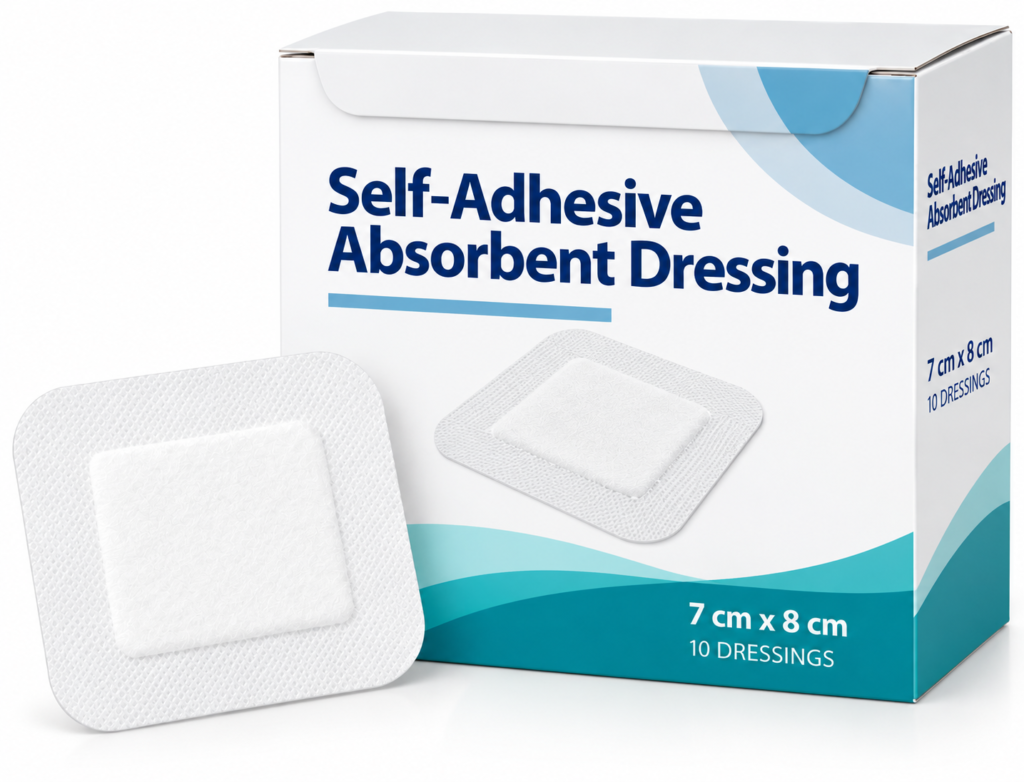
Self-Adhesive Absorbent Dressings: Simple sterile dressings with an absorbent central pad and adhesive border. Commonly used for post-operative wounds. minor surgical sites and simple, non-complex wounds.
Examples: Mepore, Cosmopor, Advapore, Ultrapore.
Semi-Permeable Film Dressings: Transparent films allow water vapour and carbon dioxide to escape whilst maintaining a moist wound environment. Advantages include easy wound monitoring and useful as secondary fixation dressings. They are not suitable for moderately or heavily exuding wounds.
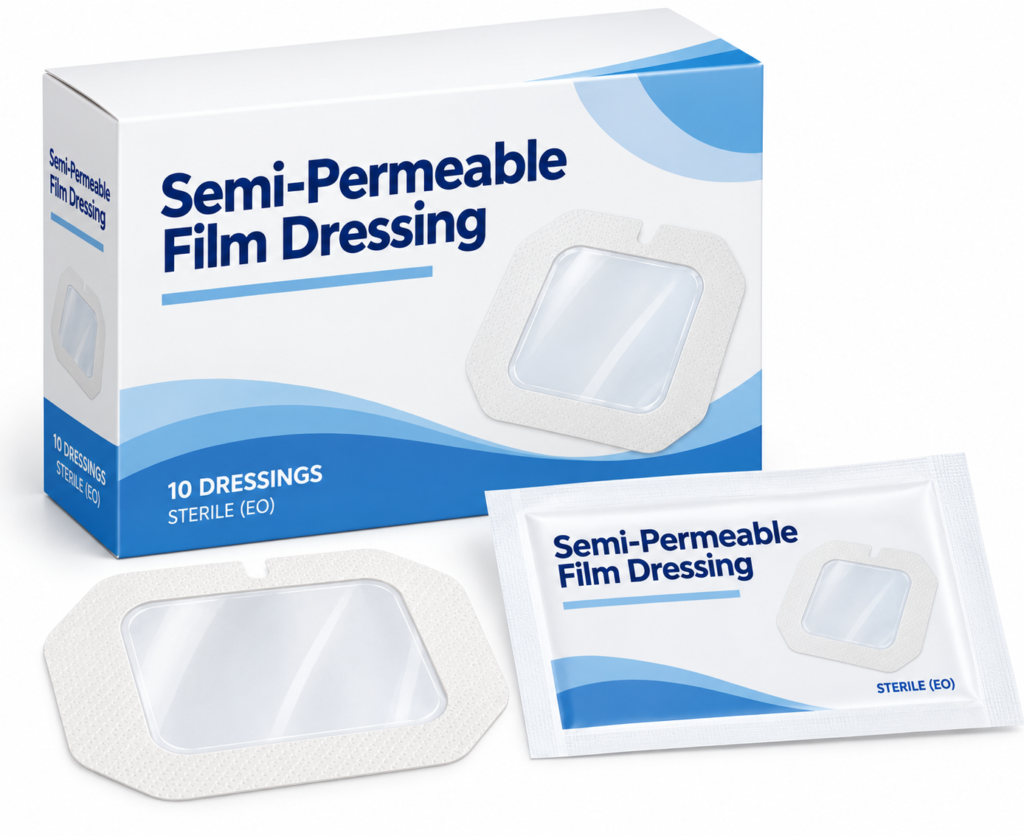
Examples: C-View, Mepitel Film, Opsite, Tegaderm.
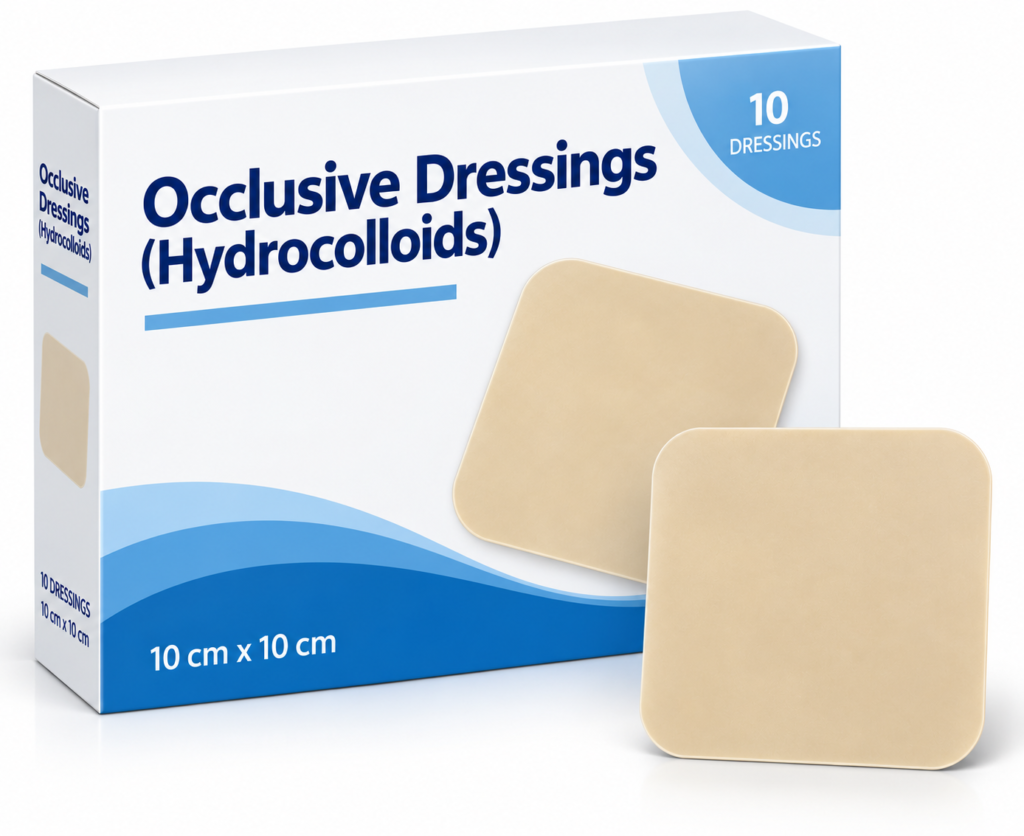
Occlusive Dressings (Hydrocolloids): Contain absorb wound fluid and form a gel-like substance. Benefits include promotion of moist wound healing, promotion of autolytic debridement and support for granulation and epithelialisation. These dressings are best suited to light to moderately exuding wounds and should generally be avoided on infected wounds or in high-risk patients such as patients living with diabetes, peripheral arterial disease or a compromised immune system.
Examples: Comfeel Plus, Duoderm Extra Thin, Granuflex.
Hydrogels: Contains large amounts of water suspended within a gel base. They are often used for rehydrating dry wounds, necrotic tissue and can be useful for the management of painful wounds. Care must be taken, as excessive moisture may lead to maceration.
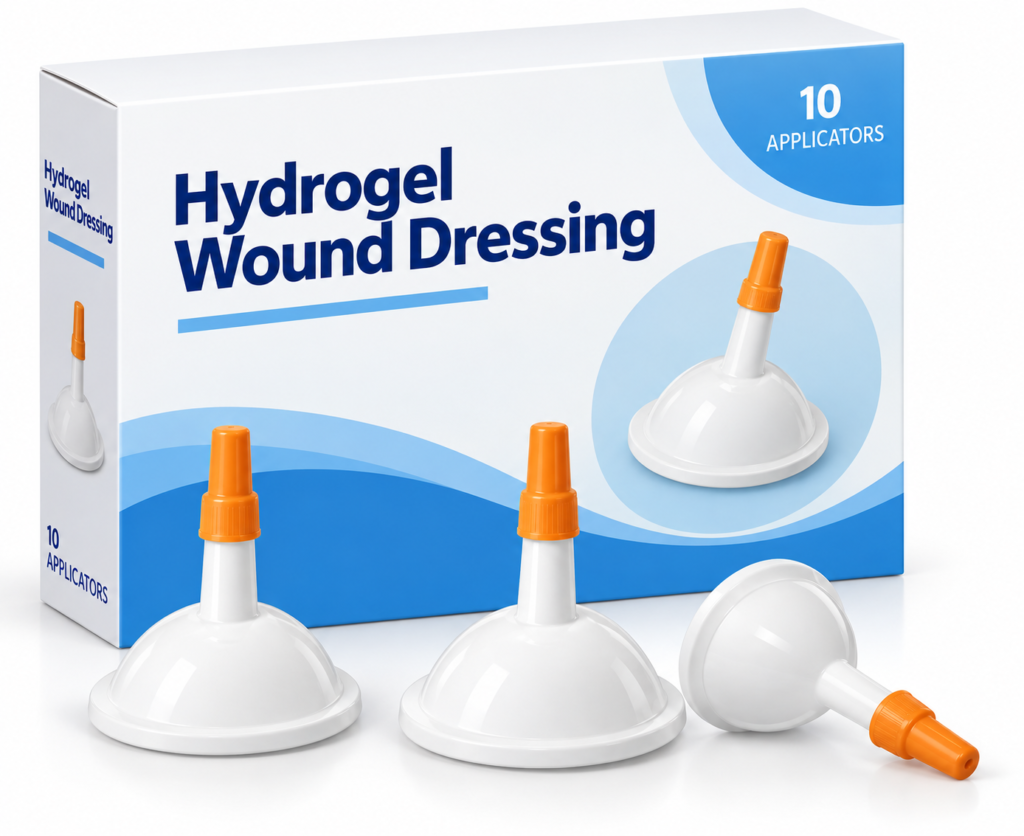
Examples: Actiform Cool, Aquaform Hydrogel, Intrasite Gel, Intrasite Conformable.
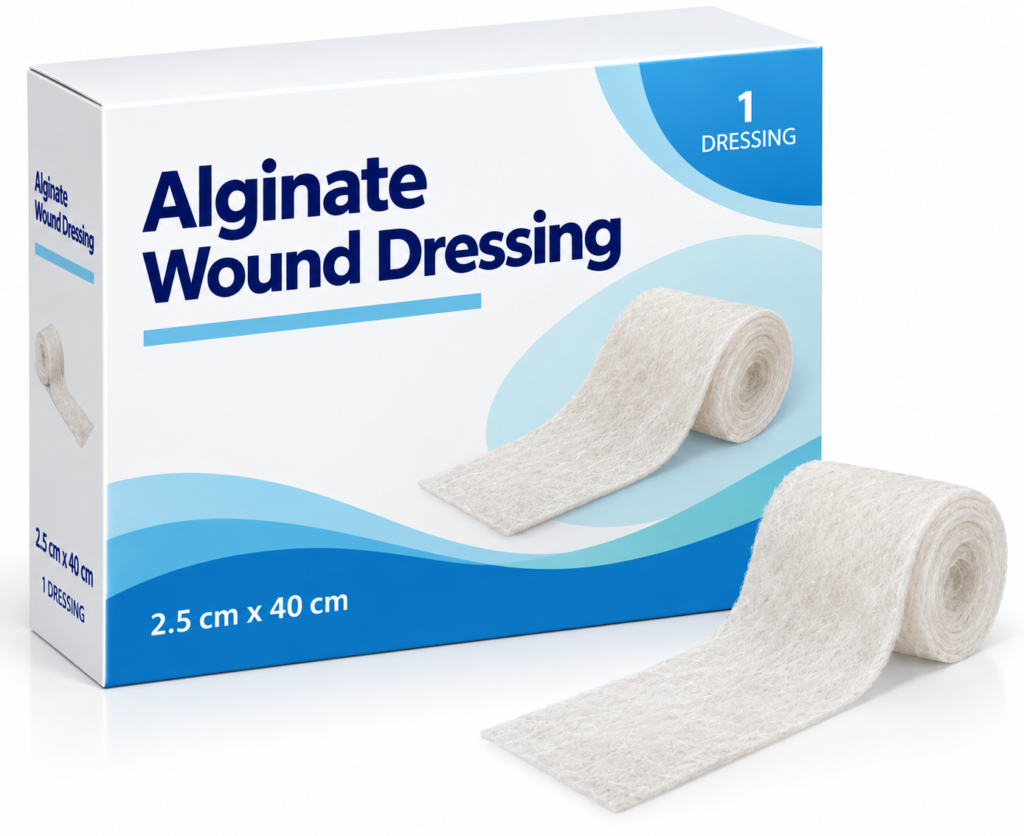
Alginates: Derived from brown seaweed. Alginates form a gel when in contact with wound fluid. They are particularly useful for moderate to heavily exuding wounds, the continual debridement of sloughy wounds, infected wounds and filling up cavity wounds supporting a wetter granulating wound. They also have haemostatic properties (Kaltostat), which is useful with fragile wounds that bleed easily or fungating wounds that bleed randomly. They should not be used on dry wounds.
Examples: Kaltostat, Sorbsan, UrgoSorb, Algosteril, Biatain Alginate.
Hydrofibers: Function similarly to alginates but are not biodegradable. When in contact with exudate, they form a soft gel that maintains moisture at the wound interface, supports autolytic debridement and retains fluid within the dressing structure. It is important that they line the wound bed and are supported in place so that the wound interface is managed effectively. They should not be used on dry wounds.
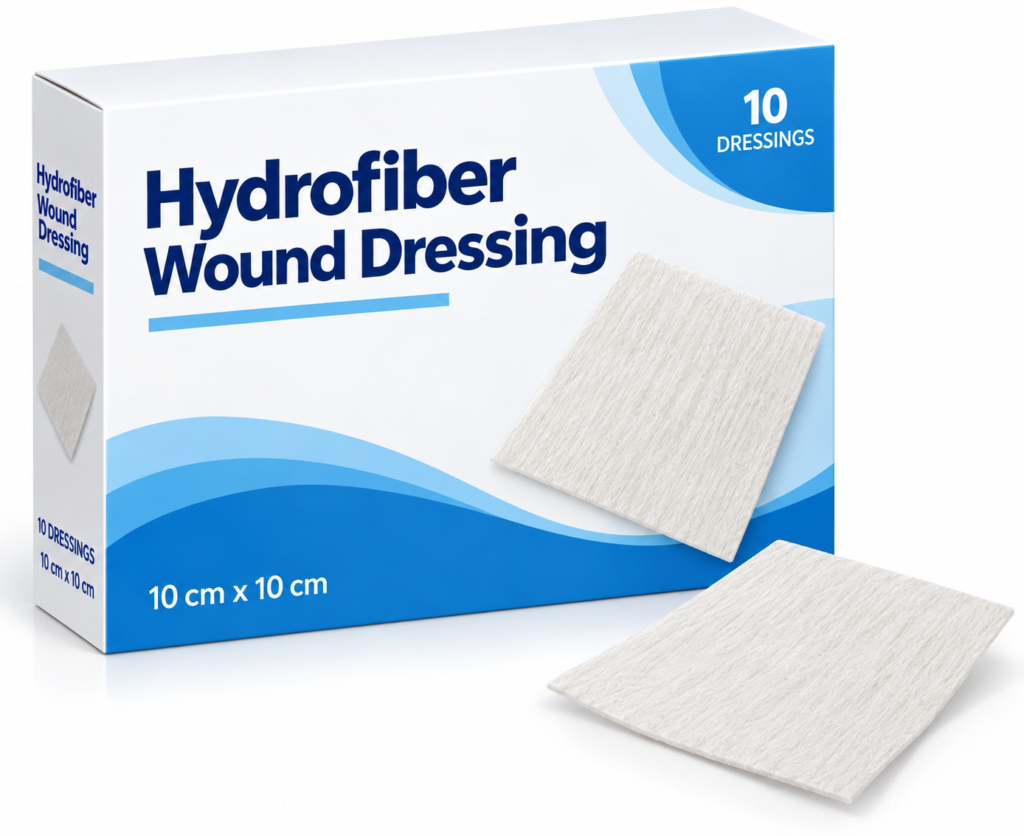
Examples: Aquacel Extra, KerraCel, Versiva XC.
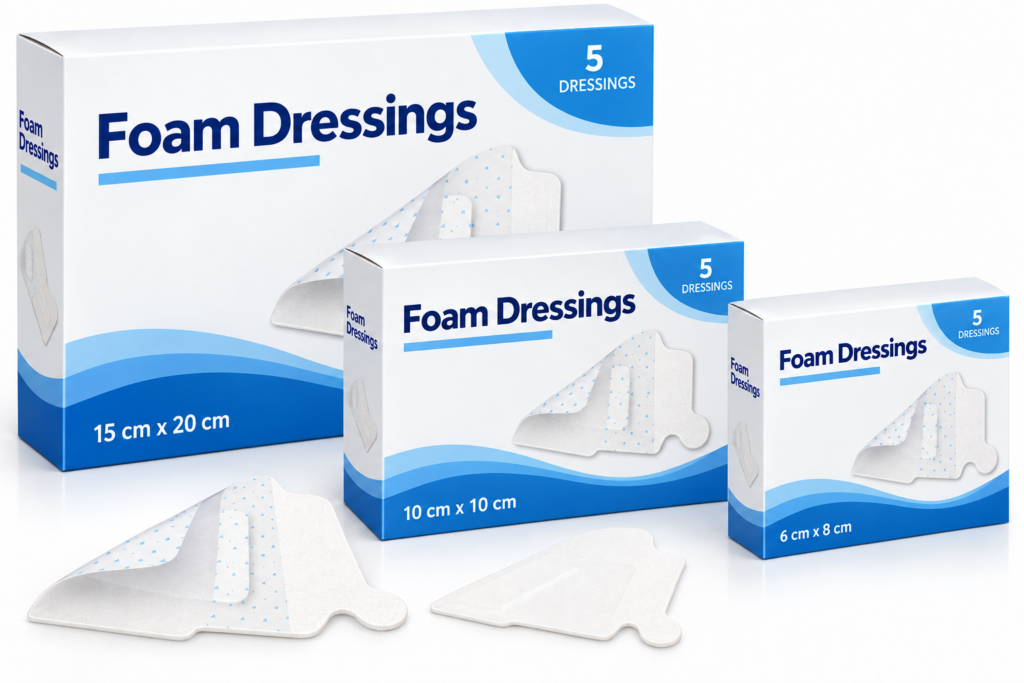
Foam Dressings: Foams absorb exudate into a central pad and are commonly used on moderately exuding wounds. Key features include vapour permeability (breathability), available with or without adhesive borders and many have a silicone contact layer for atraumatic removal especially on fragile wound beds or skin.
However, Schultz et al. (2019) note that pressure can reduce fluid retention within foam dressings, potentially causing leakage and increasing the risk of maceration. This is particularly relevant when used on high risk feet, where they are generally not recommended.
Manufacturers include: Biatain, Mepilex, Convatec, Coloplast, ActivHeal, Urgo, Tegaderm.
Absorbent and Super absorbent Dressings: Designed for wounds producing moderate to large amounts of exudate. Their absorbent cores contain materials that lock away wound fluid, helping to maintain optimal moisture balance, reduce leakage, prevent maceration and extend dressing wear time. They can be used alone or as secondary dressings over alginates and hydrofibers.
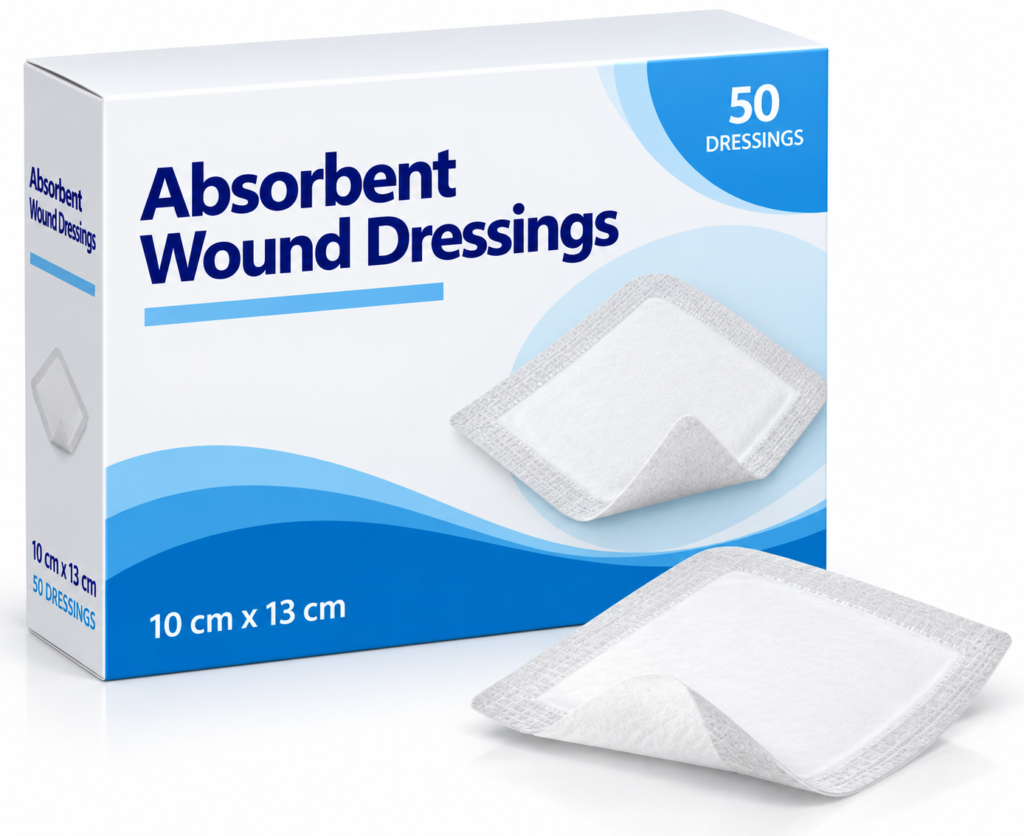
Examples: Xupad, Kliniderm, Zetuvit E, Eclypse, Mesorb.

Before reaching for a dressing, keep these simple reminders in mind:
Join Valerie for a free Wound Care in Primary Care lunchtime session on 21 September, 12:30–1:30pm, exploring practical approaches to wound assessment, wound bed preparation and common wound care challenges in primary care.
Register for your free place here.
If you would like to build your confidence and knowledge in wound assessment and management, Health Academy offers two wound care courses, with options for both Healthcare Assistants (HCAs) and Practice Nurses.
Visit the individual course pages to find out more, or contact Health Academy to arrange bespoke wound care training for your team.

Our ‘Wound Care Management for HCAs’ course provides a comprehensive overview of essential skills and knowledge in wound care management. Covering skin anatomy, wound healing principles, and classifications of wounds, the course delves into practical aspects of wound management including, dressing selection, infection control, and other medico-legal considerations.
Contact us below to register your interest.

Our ‘Wound Care for Practice Nurses’ course provides a comprehensive overview of essential skills and knowledge in wound care management. Covering skin anatomy, wound healing principles, and classifications of wounds, the course delves into practical aspects of wound management including, dressing selection, infection control, and other medico-legal considerations.