

By Alexandra Fryer
Women’s Health Nurse Specialist | Menopause, Contraception & Sexual Health
If we are serious about improving menopause care, perhaps it is time to stop asking how we can train more GPs and start asking how we can make better use of the skilled healthcare professionals we already have.
Menopause has rightly received much-needed attention in recent years. Women are increasingly speaking openly about their experiences, employers are recognising its impact in the workplace, and healthcare professionals are becoming more aware of the importance of informed, evidence-based support.
Yet, despite this progress, I believe we continue to overlook one of the most obvious opportunities to improve menopause care in the UK: The expertise of nurses.
As a nurse specialist in women’s health and menopause, with decades of experience in clinical practice and education, I often question why discussions about improving menopause services focus so heavily on the role of general practitioners (GPs). Why is the assumption that better menopause care must be delivered by GPs so deeply embedded in our thinking?
Surely, the more important question is: Who is best placed to provide the care women need, and how can we make that care accessible to everyone?
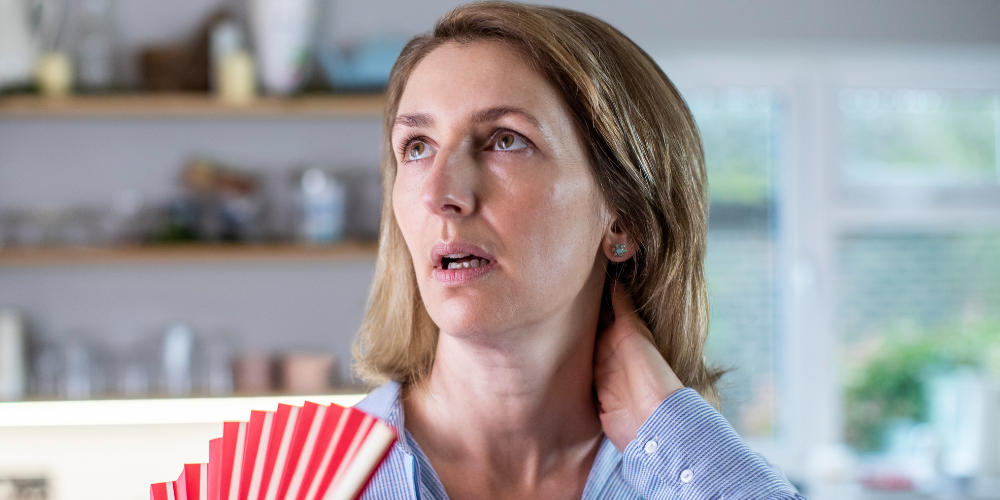
Menopause is not a disease. It is a natural stage of life, but the symptoms associated with perimenopause and menopause can be profoundly disruptive. For some women, the impact on sleep, mood, concentration, relationships and working life can be considerable.
Good menopause care does not always begin with a prescription. It begins with listening, providing reliable information, explaining what is happening and helping women understand the choices available to them.
Women need the opportunity to discuss their symptoms, explore lifestyle approaches and medical treatments, understand the benefits and risks of hormone replacement therapy (HRT), and make decisions that reflect their individual circumstances.
Some women will need complex medical assessment and specialist input. Others may benefit enormously from timely advice, reassurance and support from a knowledgeable healthcare professional. The challenge is ensuring that women can access the right level of care without unnecessary barriers or the financial burden of seeking private help.

GPs play an essential role in women’s healthcare, and their contribution to menopause care should not be diminished. However, general practice is under significant pressure, and expecting GPs to provide every aspect of menopause education, assessment and ongoing support is not necessarily the most effective way to meet women’s needs.
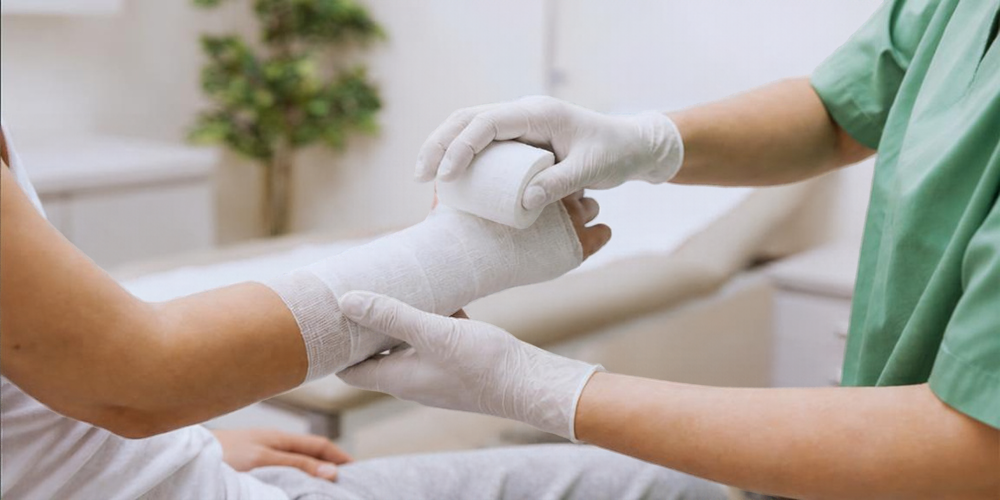
Practice nurses already deliver a substantial proportion of preventative and ongoing healthcare. They undertake:
These existing services provide valuable opportunities to discuss menstrual changes, peri-menopause, menopause symptoms and treatment options.
For many women, their practice nurse is already a familiar and trusted healthcare professional. Why are we not building on these relationships?
Rather than expecting every woman with menopause concerns to seek a GP appointment, we could integrate menopause education and support into the women’s health services that primary care already provides.
This would not remove the need for GP involvement. It would allow GPs to concentrate on cases requiring their particular expertise, while appropriately trained nurses manage care within their competence.
That is not a lesser model of care. It is a more collaborative and potentially more accessible one.

There are nurses working in primary care and specialist services who have developed considerable expertise in menopause assessment, treatment and management. Nurse prescribers can prescribe within their competence and prescribing authority. Specialist nurses can support:
These professionals are not simply supporting doctors. They are delivering clinical care in their own right. Of course, not every nurse is trained or qualified to provide specialist menopause care. Specialist practice requires:
However, I believe we need to look beyond specialist training alone. While it would be unrealistic to expect every nurse to become a menopause specialist, surely every nurse should have some understanding of this important area of women’s health.

Women do not experience menopause in isolation from their other healthcare needs. They may discuss symptoms with a nurse working in general practice, gynaecology, oncology, mental health, cardiology or diabetes care.
A woman experiencing poor sleep, anxiety, low mood, joint pain or changes in concentration may not recognise these as possible perimenopausal symptoms. Equally, the nurse caring for her may not consider menopause as a contributing factor without relevant education.
We cannot expect every nurse to undertake specialist menopause training, but we can equip all nurses with:
This is not about asking nurses to diagnose or manage conditions outside their competence. It is about giving them the confidence to recognise when menopause may be relevant, listen to women’s concerns and help them access appropriate support.
Accessible introductory menopause education should be actively encouraged and made widely available to nurses across all areas of practice. It should cover:
This should not be seen as an optional extra for nurses with a particular interest in women’s health. It is a valuable foundation for any nurse who may encounter women experiencing perimenopause or menopause in clinical practice.
Imagine the difference if every nurse had received this basic level of education. Women would be more likely to have their symptoms recognised, feel listened to and receive appropriate information and signposting, wherever they accessed healthcare.
Introductory education cannot create a menopause specialist, nor should it claim to. However, it can provide essential foundations, challenge misconceptions and help nurses recognise when further assessment or specialist referral is needed. It can also provide a pathway towards more advanced training for those wishing to develop their expertise.
We should be aiming for menopause awareness to become part of core nursing knowledge, with opportunities for further education and specialist development for those who wish to take their practice further.

The Government’s announcement in October 2025 that menopause questions and advice would be incorporated into routine NHS Health Checks during 2026 is a welcome development.
The NHS Health Check, offered to eligible adults aged 40–74, provides an important opportunity to raise awareness of perimenopause and menopause and make information and support more accessible.
However, it also raises an important question: if the healthcare professional conducting the check has little or no training in menopause, how can they confidently respond when a woman raises concerns or asks for advice?
Asking questions is only the beginning. Practitioners need sufficient knowledge:
The Department of Health and Social Care has acknowledged that local authority commissioners will be responsible for ensuring NHS Health Check providers have adequately trained staff. This is encouraging, but it must translate into meaningful education and support for the nurses delivering these checks.
We cannot introduce menopause questions into routine health assessments and assume that simply asking them will improve women’s care. The value of this initiative will depend on what happens next:
This is precisely why basic menopause education should be available to nurses and other healthcare professionals involved in women’s care. Those undertaking NHS Health Checks and working across primary care need the knowledge and confidence to make these conversations meaningful.
We cannot ask women to speak openly about menopause without equipping the healthcare professionals listening to them with the knowledge to respond.

Alongside foundation-level education, we must make advanced training accessible to nurses who want to develop specialist expertise.
Established pathways exist through organisations such as the British Menopause Society (BMS) and the College of Sexual and Reproductive Healthcare (CoSRH). These provide valuable opportunities to develop clinical knowledge and skills.
However, advanced training in menopause care through recognised organisations can cost up to £900. For many nurses, this is difficult to afford, particularly when employers are unable or unwilling to fund such development.
We cannot reasonably expect nurses to take on increasingly advanced clinical responsibilities while leaving them to meet substantial training costs themselves.
If the NHS and Government are serious about improving access to menopause care, investment in nursing education must form part of the solution. Funded training pathways, employer-supported development and recognised career progression would help ensure specialist expertise is not limited to those who can afford to acquire it privately.

Imagine a model of primary care in which every GP practice, or group of practices working together, had access to a designated healthcare professional with specialist training in perimenopause and menopause.
This practitioner could be a suitably trained practice nurse, nurse prescriber or another appropriately qualified healthcare professional.
Their role could include:
They would also recognise complex presentations and refer women for further medical assessment when necessary.
Such a service would require investment in training, protected clinical time, clear referral pathways, prescribing support and robust governance. It should not simply be added to nurses’ existing workloads without the resources to deliver it safely.
However, it would build on the workforce and relationships already present within primary care, rather than assuming the answer to every unmet need is another GP appointment.
It could also help address inequalities. Access to knowledgeable menopause support should not depend on where a woman lives, the interests of her individual GP or whether she can afford private care

It would be easy to frame nurse-led menopause care simply as a way of reducing GP workload. Although a better distribution of work could benefit the healthcare system, that argument misses something important.
Nurses bring their own professional skills, experience and approach to patient care. Education, prevention, health promotion and supporting people to make informed choices are already central to nursing practice. Menopause care fits naturally within this framework.
A well-informed nurse can help a woman understand the changes she is experiencing, explain the available evidence, discuss relevant options and support her in making decisions. This can be valuable whether or not she ultimately chooses HRT.
The answer is not to replace one professional group with another. It is to create a flexible, multidisciplinary approach in which the level of care matches the woman’s needs and the professional’s competence.

After decades in nursing, I remain passionate about the difference that knowledgeable, compassionate and evidence-based care can make to women’s lives. I have seen how good information can empower women to understand their symptoms and make informed decisions. I have also seen how difficult it can be to find help when services are inconsistent and access to expertise is limited.
The growing awareness of menopause is welcome, but awareness alone will not improve care. We need practical changes to the way services are organised and delivered.
That means giving all nurses a foundation of menopause knowledge, valuing those who develop specialist expertise, investing in advanced training and creating opportunities for appropriately qualified practitioners to use their skills.
Menopause care should be built around women’s needs, not assumptions about who should provide it.
GP’s will remain an essential part of that system, but they do not need to be the default provider for every aspect of menopause care. We already have a skilled nursing workforce, established relationships with women in primary care and a strong foundation of preventative healthcare services.
It is time to stop overlooking nurses and start recognising the contribution they can make to a more accessible, equitable and sustainable model of menopause care in the UK.
Because the question is not whether nurses can contribute to better menopause care.
The question is why we are not making fuller use of them already.
Couldn’t join our live menopause session? You can still catch up!
Join menopause nurse specialist Alexandra Fryer as she shares practical insights from clinical practice in an engaging Q&A session. The discussion explores common challenges, clinical decision-making and practical approaches to supporting women experiencing peri-menopause and menopause.
Watch the recording below to gain valuable insights into menopause care in everyday practice.
Improving women’s health starts with ensuring healthcare professionals have the knowledge, skills and confidence to support women effectively.
At Health Academy, we offer training in menopause care and wider women’s health, helping practitioners build their knowledge and develop their clinical skills.
Explore our recommended courses below, including our Managing Menopause in Primary Care course, or contact our team to register your interest and check upcoming availability.
Looking to arrange training for your team? We can organise dedicated training for your practice, PCN or organisation, on a date that suits you. Get in touch to discuss your requirements.

Our ‘Managing Menopause in Primary Care’ course provides registered health care professionals with the essential knowledge and skills needed to effectively support women going through menopause in primary care settings.

Our ‘Contraception for Practice Nurses’ course provides essential training for nurses in primary care. Developed in line with national guidance, explore contraceptive choices and understand their indications and effectiveness. Learn to navigate patient-centred care, legal issues, and practical case studies for confident contraceptive management.